People rarely think of snakes as mobile animals. They certainly don't imagine them covering great distances. Yet movement is crucial for these reptiles. It helps them hunt for food, find mates, escape danger, and explore new territories. This mobility showcases their remarkable adaptability and surprising stamina.
The Hidden World of Snake Travel
Long-distance snakes have evolved powerful bodies. They use energy efficiently and navigate skillfully. These abilities let them cross challenging landscapes. They traverse forests, deserts, swamps, and rivers with determination.
Some snake species undertake seasonal migrations. Others move constantly within their home ranges. They search for food or suitable nesting sites. Studying these travelers reveals fascinating behavior patterns. It teaches us about their habitats and survival strategies.

These reptiles prove an important point. In nature, mobility and persistence matter greatly. They can be just as significant as venom, camouflage, or sheer size.
Remarkable Snake Travelers Around the World
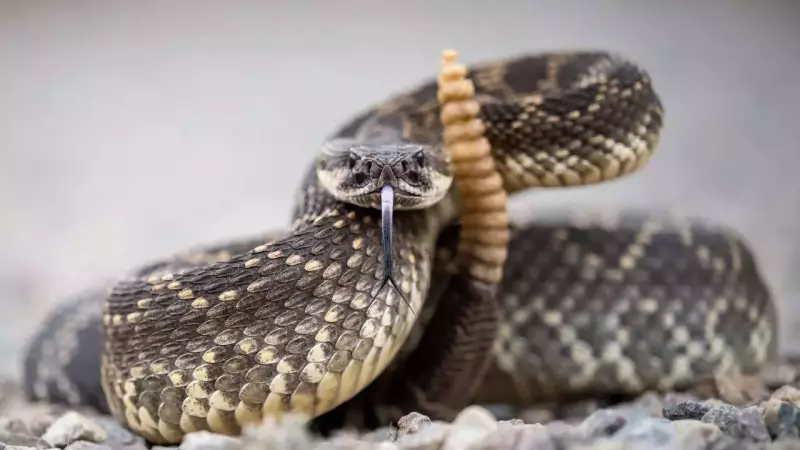
Eastern Diamondback Rattlesnake
The Eastern Diamondback Rattlesnake holds a title. It is the largest rattlesnake in North America. Adults typically measure between six and eight feet long.
These snakes travel several miles while hunting. They seek prey like rabbits, rats, and birds. Special heat-sensing pits give them an edge. They can detect warm-blooded animals even in complete darkness. This makes them highly efficient predators.
Seasonal movements define their routine. They retreat to burrows during cooler months. When warmer weather returns, they emerge to explore their territory. Their movement appears slow and deliberate. This careful travel helps them cover ground without wasting precious energy.
King Cobra
The King Cobra claims another record. It is the world's longest venomous snake. Average lengths range from ten to thirteen feet.
This formidable snake moves through dense Asian forests and highlands. It covers large distances to hunt and locate nesting sites. Despite its impressive size, the King Cobra displays surprising agility. It can travel quickly when threatened or pursuing prey.
Its diet consists mainly of other snakes. The King Cobra maintains sharp alertness over long journeys. This discipline makes it a master traveler in the serpent world.
Black Mamba
The Black Mamba calls sub-Saharan Africa home. It is famous for incredible speed and deadly precision. This snake can reach speeds up to sixteen kilometers per hour. That allows it to outrun many predators and potential prey.
Quick strikes and alert movements define its hunting style. The Black Mamba patrols large territories searching for food and safety. It demonstrates a key principle. Long-distance travel isn't just about endurance. Speed, awareness, and strategic movement are equally vital. These traits make the Black Mamba one of nature's fastest and most efficient snake travelers.
Yellow Anaconda
The Yellow Anaconda thrives in South America's waterways. It is a semi-aquatic snake perfectly suited to rivers, swamps, and marshes.
On land, this snake might seem slow and cumbersome. But in water, it transforms. It glides effortlessly and silently across the surface. This movement helps it search for meals and explore its environment.
Its substantial size and power aid in hunting. Yet steady, persistent movement enables it to cover large aquatic areas. The Yellow Anaconda offers a clear lesson. Successful travel doesn't always require great speed.
Burmese Python
The Burmese python originates in Southeast Asia. It can grow to astonishing lengths, sometimes reaching twenty-three feet.
Despite its enormous size, this python travels considerable distances. It seeks prey and potential breeding grounds. Movement across land requires significant time and effort. The snake often uses rivers as natural pathways.
Its pace allows thorough exploration of large areas. For the Burmese python, speed is less important than thoroughness during the search.
Garter Snake
Even smaller snakes demonstrate impressive mobility. The common Garter Snake is a perfect example. This modestly sized species is capable of substantial movements.

Garter Snakes inhabit diverse environments. They live in forests, grasslands, wetlands, and even urban areas. They travel great distances to find food and explore.
Their agility and curious nature serve them well. They master various terrains and avoid numerous perils. Their small size doesn't limit them. They cover long distances without much difficulty.
Western Diamondback Rattlesnake
The Western Diamondback Rattlesnake inhabits arid regions. Its range stretches across the southwestern United States.
These snakes migrate through dry landscapes, rocky slopes, and river edges. They exhibit a fascinating social behavior during winter. Groups hibernate together in communal burrows. When spring arrives, they resume their exploratory activities across the harsh terrain.
Each of these snakes reveals a unique travel strategy. Together, they paint a vivid picture of reptile resilience and adaptability in the wild.