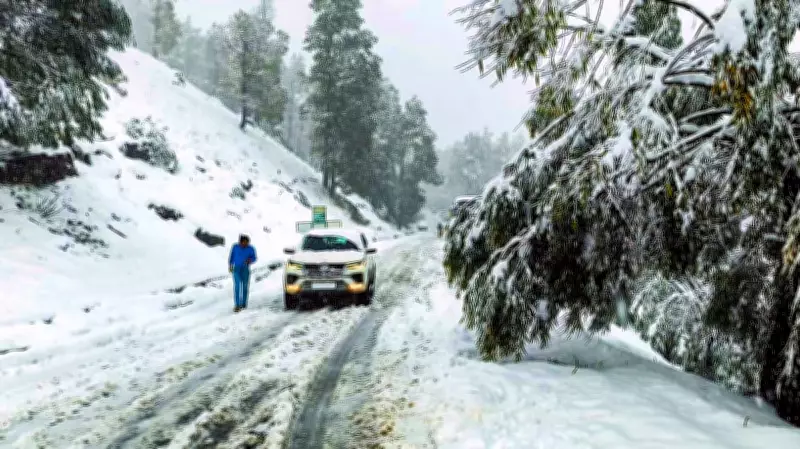
Snow Droughts and Rising Risks: A Global Climate Crisis Deepens
In recent years, the phenomenon of snow droughts has emerged as a critical environmental challenge, exacerbating the impacts of climate change worldwide. This issue, characterized by reduced snowfall and earlier snowmelt, poses severe threats to water resources, agriculture, and biodiversity, demanding immediate attention from policymakers and communities alike.
Understanding Snow Droughts and Their Causes
Snow droughts refer to periods of abnormally low snow accumulation, often linked to rising global temperatures and shifting precipitation patterns. Scientific studies indicate that climate change is a primary driver, with warmer winters leading to more rain instead of snow in many regions. This trend disrupts natural water cycles, as snowpack traditionally acts as a vital reservoir, slowly releasing water during spring and summer months.
Key factors contributing to snow droughts include:

- Increased temperatures: Higher average temperatures reduce snowfall and accelerate melting.
- Altered precipitation: Changes in weather patterns result in less snow and more rain.
- Human activities: Deforestation and urbanization can exacerbate local climate effects.
Impacts on Water Security and Ecosystems
The consequences of snow droughts are far-reaching, particularly for water-dependent sectors. In regions reliant on snowmelt for freshwater, such as mountainous areas and river basins, reduced snowpack leads to water shortages. This affects agriculture, with crops suffering from inadequate irrigation, and hydropower generation, which depends on consistent water flow. Additionally, ecosystems face disruption, as many species rely on snow for habitat and water sources.
Notable impacts include:
- Decreased water availability for drinking and farming.
- Increased risk of droughts and wildfires in dry seasons.
- Loss of biodiversity in snow-dependent environments.
Global Examples and Regional Vulnerabilities
Snow droughts are not confined to a single area; they are a global issue with regional variations. In the Himalayas, for instance, reduced snowfall threatens the water supply for millions in South Asia. Similarly, in the Western United States, snow droughts have led to severe water crises, affecting states like California. Europe and other parts of Asia are also experiencing similar trends, highlighting the widespread nature of this problem.
Case studies show:
- The Himalayas facing accelerated glacier melt and water scarcity.
- California grappling with prolonged droughts and agricultural losses.
- Alpine regions in Europe seeing shifts in tourism and ecology.
Urgent Need for Adaptation and Mitigation
Addressing snow droughts requires a multifaceted approach, combining adaptation strategies with efforts to mitigate climate change. Adaptation measures include improving water storage infrastructure, promoting efficient irrigation techniques, and developing early warning systems for droughts. On the mitigation front, reducing greenhouse gas emissions through renewable energy adoption and sustainable practices is crucial to slow global warming and its effects on snowfall.
Recommended actions involve:
- Investing in climate-resilient water management systems.
- Enhancing international cooperation on climate policies.
- Raising public awareness about the risks of snow droughts.
In conclusion, snow droughts represent a growing risk in the era of climate change, with profound implications for global stability. By understanding the causes and impacts, and implementing robust strategies, we can work towards a more sustainable future, safeguarding water resources and ecosystems for generations to come.