

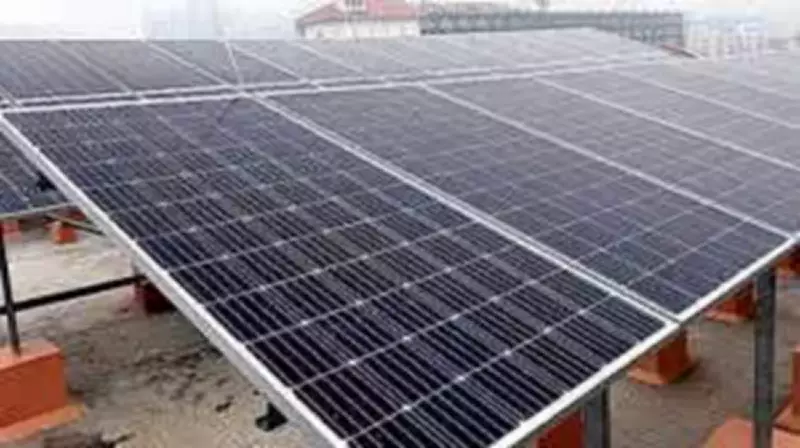
Tamil Nadu Solar Power Generation Soars to Record Levels Amid Summer Peak
As summer temperatures intensify across Tamil Nadu, the demand for electricity has begun to peak, placing significant pressure on the state's power grid. However, the region is experiencing a silver lining due to dry weather and clear skies, which are driving solar power generation to unprecedented heights. This surge in renewable energy is playing a crucial role in meeting daily electricity needs and stabilizing the grid during this high-demand period.
Record-Breaking Solar Output and Grid Performance
In recent weeks, Tamil Nadu's peak electricity demand—defined as the highest level recorded on the grid within a specific timeframe—has consistently hovered around 20,000 megawatts (MW). Daily consumption has remained robust, staying above 400 million units. Amid this scenario, solar power generation has shown a steady and remarkable rise. On a recent Wednesday, solar power set new records for both peak output and total energy evacuated. Specifically, the Tamil Nadu Power Distribution Corporation Limited (TNPDCL) absorbed 56.9 million units of solar power, while peak solar generation reached an all-time high of 7,693 MW.
Since March 23, solar power generation has exceeded 7,500 MW on three separate days, with daily absorption consistently topping 50 million units. According to a TNPDCL official, this means that approximately one-eighth of the state's total electricity demand is now being met by solar power. This contribution is significant, as thermal plants in the state generate about 100 million units daily, and solar adds another 50 million units, thereby reducing the necessity for costly power purchases on the open market.

Factors Driving the Solar Surge and Future Prospects
An official from the Tamil Nadu Green Energy Corporation attributed the higher solar output to the addition of approximately 2,800 MW of new capacity over the past year. He highlighted specific regional contributions, noting that in the Tirunelveli region alone, captive power producers have installed 1,784 MW of solar farms, while the Udumalpet region has seen installations of 1,058 MW. This expansion underscores the state's commitment to enhancing its renewable energy infrastructure.
Looking ahead, Tamil Nadu is also advancing its energy storage capabilities. With 2,500 megawatt-hour battery energy storage systems in various stages of development, renewable power sources such as solar and wind can be stored and utilized during non-solar hours. This technology is expected to help meet peak power demand in the evening, further bolstering grid reliability and reducing dependence on conventional energy sources.
In summary, Tamil Nadu's solar power sector is demonstrating robust growth, setting new records and providing a sustainable solution to meet rising electricity demands during the summer. The integration of advanced storage systems promises to enhance this renewable energy framework, ensuring a more resilient and cost-effective power supply for the state.






