

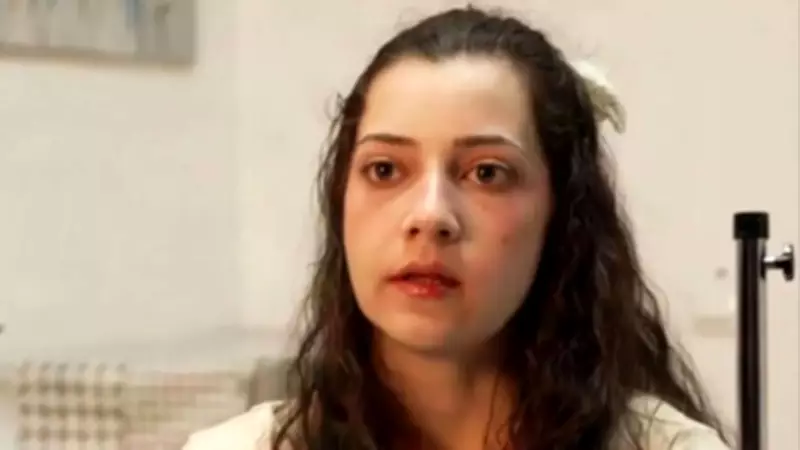
Spanish Bishops Condemn Euthanasia of 25-Year-Old Noelia Castillo as Societal Failure
Several senior Catholic leaders in Spain have issued sharp criticisms following the euthanasia of 25-year-old Noelia Castillo, labeling the event a profound reflection of societal failure and raising significant concerns over the nation's right-to-die legislation. The case has ignited intense debates across the country regarding end-of-life choices, mental health support, and ethical medical practices.
Church Leaders Decry 'Culture of Death' and Legal Framework
In strong statements, bishops expressed dismay at the circumstances surrounding Castillo's death. José Mazuelos Pérez, Bishop of the Canary Islands, was quoted by EuroNews as saying, "We have all failed as a society." He further criticized Spain's euthanasia law, which was passed in 2021, describing it as "another step towards a culture of death." Mazuelos Pérez emphasized that a doctor's primary mission should be to cure or, when that is impossible, to provide comfort and companionship, rather than to end a life.
Echoing these sentiments, Luis Argüello, president of the Spanish Bishops' Conference, stated, "A doctor cannot act as the executioner for a death sentence, however legal, empowering or compassionate it may appear." In a joint declaration, church leaders argued that Castillo's situation highlighted "an accumulation of personal suffering and institutional shortcomings," suggesting that better support systems could have prevented such an outcome.

Long Legal Battle Precedes Euthanasia Approval
Noelia Castillo passed away in Barcelona on Thursday after an arduous 18-month legal struggle to exercise her right to assisted dying. Her request, initially approved in 2024 by a Catalan medical and legal committee, faced repeated challenges from her father, Geronimo Castillo, who was supported by the advocacy group Abogados Cristianos. Despite these objections, courts including Spain's Constitutional Court and later the European Court of Human Rights ultimately ruled in her favor, permitting the procedure to proceed.
A Life Marked by Trauma and Unrelenting Suffering
Castillo's life was profoundly shaped by years of psychological and physical distress. She had been undergoing psychiatric treatment since her teenage years and was diagnosed with conditions such as obsessive-compulsive disorder (OCD) and borderline personality disorder. Her trauma was exacerbated by multiple sexual assaults, including a gang rape by three men in 2022, which led to repeated suicide attempts.
In October of that year, she jumped from a fifth-floor window, resulting in a severe spinal injury that left her paralyzed from the waist down and enduring constant pain. This incident significantly contributed to her decision to seek euthanasia as a means to end her suffering.
Castillo's Final Words and Family Dynamics
In her final interviews with Spanish broadcaster Antena 3 and the program Y Ahora Sonsoles, Castillo spoke candidly about her choice. She stated, "I want to go now and stop suffering, period." Reflecting on her family's stance, she added, "None of my family is in favour of euthanasia. But what about all the pain I've suffered during all these years?"
While her father vigorously opposed the procedure, arguing that her mental health issues impaired her judgment, her mother expressed personal disagreement but chose to stand by her daughter. "I do not agree, but I will always be by her side," her mother affirmed, highlighting the complex emotional landscape surrounding the case.
Broader Implications and National Debate
This case has sparked a wider conversation in Spain about euthanasia, mental health care, and whether the system adequately supports vulnerable individuals. Critics argue that the legal and medical frameworks may have failed to provide sufficient alternatives to euthanasia, while proponents of the right-to-die law emphasize individual autonomy and relief from unbearable suffering. The debate continues to evolve, with implications for future policy and societal attitudes toward end-of-life decisions.






