

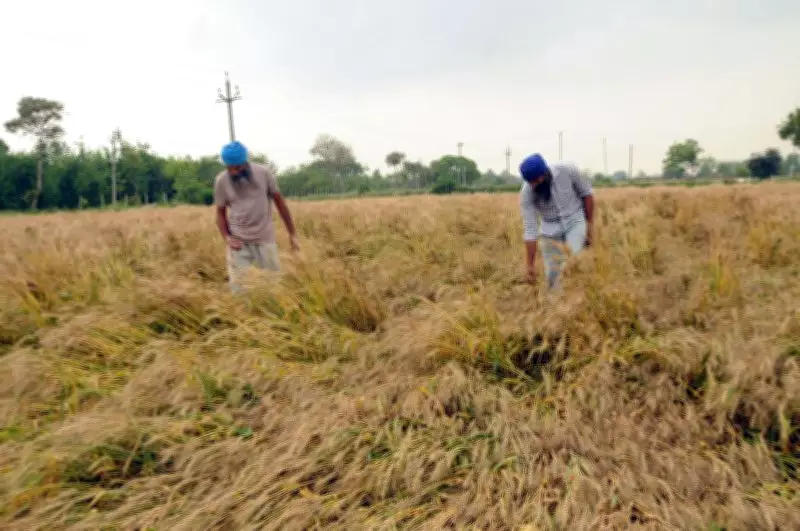
Storm Alert Issued for North India, Punjab at Center of Changing Weather Patterns
A major storm alert has been officially declared for North India, with meteorological authorities highlighting Punjab as the primary region facing a severe shift in weather conditions. This alert comes as part of a broader pattern of atmospheric changes affecting the northern part of the country, raising concerns for public safety and infrastructure.
Punjab Identified as Epicenter of Weather Disruption
Punjab has been pinpointed as the central area where the changing weather patterns are most pronounced. According to weather experts, the state is experiencing unusual atmospheric pressure systems that are likely to trigger intense storms. These conditions are expected to bring heavy rainfall, strong winds, and potential thunderstorms, which could lead to localized flooding and damage.
Key factors contributing to this alert include:

- Unstable air masses moving across the region
- Increased moisture levels from surrounding areas
- Rapid temperature fluctuations
Impact on North India and Safety Measures
The storm alert extends beyond Punjab to encompass other parts of North India, including Haryana, Himachal Pradesh, and Delhi. Authorities have issued warnings for residents to prepare for possible disruptions to daily life, such as power outages, transportation delays, and agricultural impacts. Emergency services are on high alert to respond to any incidents that may arise from the severe weather.
Residents are advised to take the following precautions:
- Secure loose objects outdoors to prevent damage
- Avoid travel during peak storm periods
- Stay updated with official weather bulletins
- Have emergency kits ready with essentials like water and first aid
Broader Implications of Changing Weather Patterns
This storm alert underscores a larger trend of changing weather patterns in North India, which meteorologists attribute to climate variability and seasonal transitions. Such events highlight the need for improved weather forecasting and disaster preparedness in the region. Experts emphasize that while storms are not uncommon, their intensity and frequency may be influenced by global climatic shifts, making vigilance crucial.
In conclusion, the storm alert for North India, with Punjab at its center, serves as a critical reminder of the dynamic nature of weather systems. As authorities monitor the situation, public cooperation and adherence to safety guidelines are essential to mitigate risks and ensure community resilience during this period of meteorological uncertainty.






