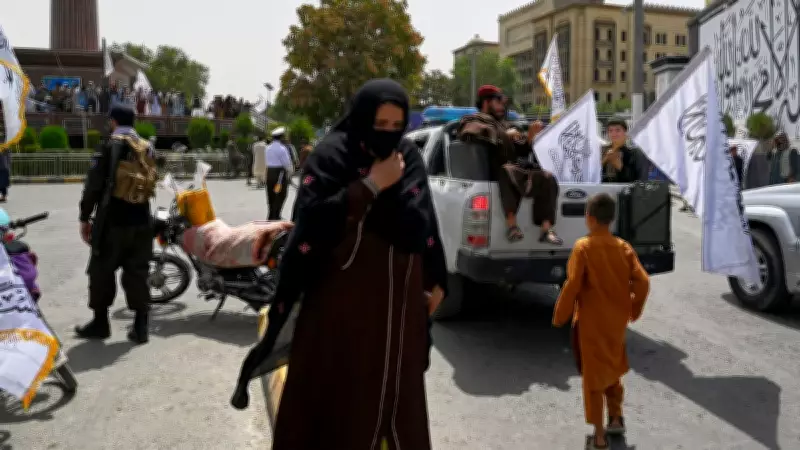
Taliban's New Law Permits Wife-Beating If No Bones Break or Wounds Open
The Taliban regime in Afghanistan has introduced a controversial new law that explicitly allows husbands to physically beat their wives, so long as the assault does not result in broken bones or open wounds. This decree, issued on February 19, 2026, has ignited widespread condemnation from human rights organizations and global leaders, who view it as a severe regression in the protection of women's rights in the country.
Details of the Decree and Its Implications
The law, which was formally announced by Taliban authorities, stipulates that husbands are permitted to use physical force against their spouses as a form of discipline. However, it sets specific limits: the beating must not cause fractures or lacerations that break the skin. This legal framework effectively codifies domestic violence, providing a sanctioned outlet for abuse under the guise of marital correction. Critics argue that such measures undermine decades of progress in women's safety and equality, potentially normalizing violence within households.
Human rights advocates have expressed deep concern over the decree's potential impact. They warn that it could lead to increased incidents of domestic abuse, as perpetrators might feel emboldened by the legal backing. Moreover, the vague wording of the law leaves room for interpretation, which could result in inconsistent enforcement and further endanger women. The Taliban's justification for the law reportedly stems from their interpretation of Islamic principles, but many Islamic scholars and international observers have rejected this, emphasizing that Islam promotes compassion and respect in marriage.

International Reactions and Historical Context
The international community has reacted with alarm to the Taliban's new law. United Nations officials have condemned it as a violation of fundamental human rights, calling for immediate repeal. Several countries, including the United States and European nations, have issued statements urging the Taliban to reverse the decree and uphold women's rights as part of their governance. This move is seen as part of a broader pattern of restrictive policies imposed by the Taliban since their return to power in 2021, which have included bans on education and employment for women.
Historically, Afghanistan has struggled with high rates of domestic violence, even before the Taliban's resurgence. However, previous governments had made efforts to address this through legal reforms and support services. The new law represents a stark departure from those initiatives, signaling a return to more oppressive norms. Experts note that such policies not only harm individual women but also destabilize society by perpetuating cycles of violence and inequality.
Potential Consequences and Future Outlook
The enactment of this law is expected to have far-reaching consequences for Afghan women. Beyond the immediate physical harm, it may exacerbate psychological trauma and limit women's ability to seek help or escape abusive situations. Social workers and activists on the ground report that many women are already living in fear, with limited access to legal recourse or safe shelters. The Taliban's strict control over media and civil society further complicates efforts to document and oppose such abuses.
Looking ahead, the international pressure on the Taliban to rescind this law is likely to intensify. However, given the regime's track record, significant changes may be slow to materialize. In the meantime, global organizations are ramping up support for Afghan women through advocacy and humanitarian aid, though challenges remain in delivering assistance within the country's restrictive environment. This law serves as a grim reminder of the ongoing struggle for women's rights in Afghanistan and the need for sustained global engagement.