Taliban's New Penal Code Sparks Global Alarm Over Legalized Domestic Violence
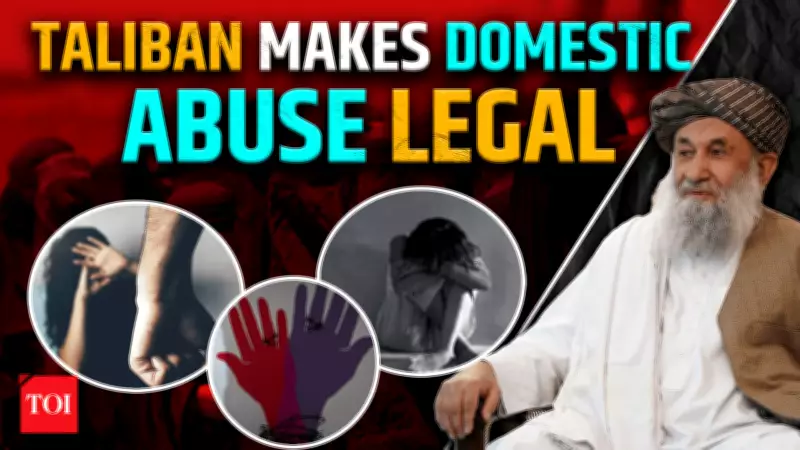
The Taliban regime in Afghanistan has issued a controversial 90-page penal code that has ignited serious concerns among international human rights organizations. Signed by supreme leader Hibatullah Akhundzada, this new legal framework explicitly permits limited physical punishment of wives and children within domestic settings.
Key Provisions and Critical Gaps in Protection
The penal code contains alarming provisions that allow for what the Taliban describes as "limited physical punishment" against family members. More disturbingly, the document leaves significant gaps in protections against psychological and sexual violence, creating a legal environment where such abuses could go unpunished.
Human rights advocates warn that this represents a dangerous regression in women's rights in Afghanistan. The new code effectively weakens women's access to justice systems and rolls back earlier safeguards that were established before the Taliban's return to power.

Historical Context and Regression of Rights
This development represents a stark reversal of progress made under previous Afghan governments. Most notably, it undermines the 2009 Elimination of Violence Against Women law, which had established important legal protections for Afghan women against various forms of abuse and violence.
The penal code arrives amid an already restrictive environment for Afghan women, who face sweeping limitations on their education, employment opportunities, and participation in public life. These cumulative restrictions paint a troubling picture of systematic gender discrimination under Taliban rule.
International Response and Human Rights Concerns
Global human rights organizations have expressed profound alarm at these developments. Critics argue that by institutionalizing domestic violence through legal channels, the Taliban is creating a dangerous precedent that could normalize abuse against women and children in Afghan society.
The international community faces renewed challenges in addressing women's rights in Afghanistan, as the Taliban continues to implement policies that contradict global human rights standards and previous commitments to gender equality.
This penal code represents what many are calling a new low for women's rights in Afghanistan, raising urgent questions about how the international community can effectively respond to systematic violations of fundamental human rights under Taliban governance.