US-Iran Nuclear Talks Resume Amid Dramatically Shifted Geopolitical Landscape
The United States and Iran have returned to the negotiating table over Tehran's nuclear ambitions, but the diplomatic environment has transformed significantly since their last encounter. These crucial discussions, which commenced on January 6th, unfold against a backdrop of recalibrated power dynamics and heightened regional tensions that could determine the future of nuclear diplomacy in the Middle East.
The Core Issues and Divergent Demands
The central subject remains Iran's nuclear program, with Washington demanding a complete cessation of uranium enrichment activities. The United States has presented specific requirements, including the transfer of 440 kilograms of near-weapons-grade uranium—estimated material sufficient for constructing approximately ten nuclear devices. American negotiators, led by Secretary of State Marco Rubio, seek to expand the discussion scope to encompass Iran's ballistic missile development, support for regional armed groups, and internal human rights practices.
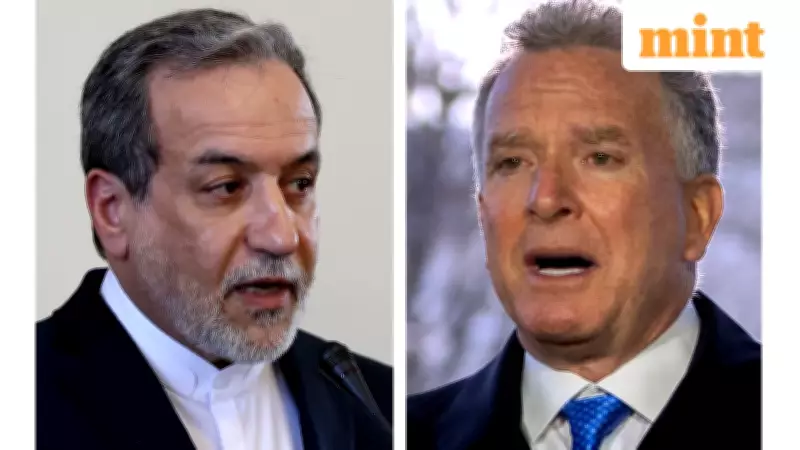
Iranian representatives, headed by Foreign Minister Abbas Araghchi meeting in Oman, have firmly rejected these broader discussions, insisting negotiations remain strictly limited to nuclear matters. The US delegation includes prominent figures such as Jared Kushner and Special Envoy Steve Witkoff, indicating the high-level attention this diplomatic initiative commands.

A Transformed Geopolitical Backdrop
Iran approaches these negotiations from a position of unprecedented vulnerability. Recent weeks have witnessed substantial domestic protests against economic hardships and living costs, which the Ayatollah Ali Khamenei's administration suppressed with considerable force. President Donald Trump's public declaration that assistance was "on the way" to protesters further strained relations, with reported civilian casualties ranging between 6,100 and 30,000 individuals.
The diplomatic climate deteriorated severely in June 2025 when President Trump authorized precision airstrikes against three of Iran's most critical nuclear facilities: Fordow, Natanz, and Esfahan. While comprehensive damage assessments remain undisclosed, these strikes delivered an unambiguous message regarding American willingness to employ military force when diplomatic channels stagnate.
Perhaps most significantly, Iran's regional influence has undergone systematic erosion. The American military actions coincided with Israel's successful campaigns against Iran-supported entities including Hamas in Gaza and Hezbollah in Lebanon. Furthermore, the collapse of the Bashar al-Assad regime in Syria during December 2024 deprived Tehran of its most vital Arab ally, substantially weakening its strategic position.
American Pressure Tactics and Iranian Countermeasures
The United States has implemented substantial military and economic measures to intensify pressure on Iran. The Middle Eastern military buildup now includes the Lincoln Carrier Strike Group, three guided-missile destroyers, and advanced aircraft squadrons featuring F/A-18E Super Hornets, F-35C Lightning II fighters, and EA-18G Growler electronic warfare jets. On February 6th, coinciding with the talks' commencement, President Trump issued an executive order imposing 25% tariffs on nations engaging in direct or indirect commerce with Iran.
Iran maintains potential retaliatory options, most notably through threatening the strategic Straits of Hormuz. This crucial maritime passage between Iran and Oman facilitates approximately 13 million barrels of crude oil daily—representing nearly 31% of global seaborne crude transportation according to 2025 data from commodity intelligence platform Kpler. Any disruption would trigger immediate international oil price spikes. Iranian officials have additionally warned of possible strikes against American military installations throughout the region.

Regional Implications and Global Consequences
Escalating US-Iran tensions generate instability across the Middle East with particular consequences for India. As a major energy importer sourcing substantial crude oil from Middle Eastern nations (though not directly from Iran), India faces direct threats to its energy security. Higher fuel prices would inevitably translate into increased inflation for essential commodities within the Indian economy.
Furthermore, India's estimated 9-10 million expatriates residing in Gulf nations contribute valuable foreign remittances that would be jeopardized by regional instability. The broader implications extend to global energy markets, international trade routes, and the delicate balance of power throughout one of the world's most strategically significant regions.
Prospects for Diplomatic Success
The likelihood of these negotiations achieving breakthrough agreements appears exceedingly limited. Historical precedent offers little encouragement—during the previous round of US-Iran talks in 2025, American forces struck Iranian nuclear facilities just days before scheduled negotiations, while Israel simultaneously eliminated numerous high-ranking Iranian military personnel.
A profound diplomatic chasm persists between the negotiating positions. Tehran continues to reject demands regarding its enriched uranium stockpile or external limitations on enrichment activities, considering these matters fundamental sovereign rights. Washington maintains its insistence on uranium relinquishment and cessation of protest suppression.
Complicating matters further, the question of potential regime change remains unresolved. With Iran experiencing unprecedented vulnerability, some regional actors perceive the current moment as opportune for more aggressive actions against the Khamenei government. These multifaceted challenges suggest that while dialogue continues, substantive diplomatic progress remains elusive in the current geopolitical climate.