

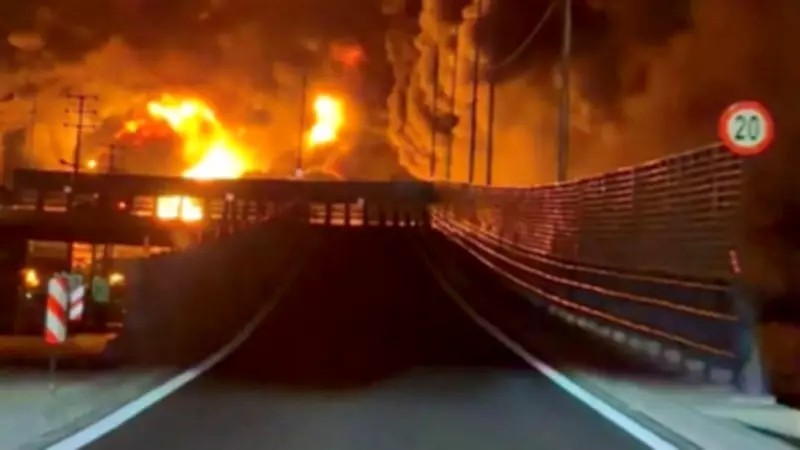
US-Israeli Strikes Intensify with Tehran Fuel Depot Blazes
In a significant escalation of military actions, coordinated strikes by the United States and Israel have targeted fuel depots in Tehran, resulting in widespread fires and damage. This development marks the first direct assault on Iran's critical energy infrastructure since the initiation of joint operations by the two allies last weekend. The attacks have raised tensions in the region, signaling a more aggressive phase in the ongoing conflict.
Netanyahu's Statement on Destabilization Efforts
Israeli Prime Minister Benjamin Netanyahu has publicly addressed the strikes, emphasizing that they are part of a broader strategy to reach "many more targets" within Iran. He stated that the objective is to destabilize the Iranian government and "allow for change," indicating a long-term plan to undermine the regime's stability. This declaration underscores Israel's commitment to expanding its military operations beyond initial engagements.
Background and Context: The strikes come amid heightened geopolitical tensions, with the US and Israel previously launching attacks on Iran over the past week. The targeting of fuel depots represents a strategic shift, as energy infrastructure is vital for Iran's economy and military capabilities. By focusing on such assets, the allies aim to cripple Iran's operational capacity and exert pressure on its leadership.

Implications for Regional Security
The burning fuel depots in Tehran have sparked concerns about potential environmental hazards and economic repercussions for Iran. As flames engulf the facilities, there are fears of fuel shortages and increased volatility in global oil markets. This escalation could lead to retaliatory measures from Iran, further complicating the security landscape in the Middle East.
International Response: The global community is closely monitoring the situation, with many nations calling for de-escalation. However, Netanyahu's vow to pursue additional targets suggests that the conflict may intensify, posing challenges for diplomatic efforts to restore peace.
Future Outlook and Strategic Goals
Looking ahead, the US-Israeli alliance appears poised to continue its campaign against Iran, with Netanyahu highlighting the intention to destabilize the government. This approach aligns with broader geopolitical objectives to curb Iran's influence in the region. As the situation evolves, stakeholders will need to assess the risks of further military engagements and their impact on international relations.
In summary, the strikes on Tehran's fuel depots represent a critical juncture in the US-Israeli offensive, with Netanyahu's statements reinforcing a strategy of sustained pressure on Iran. The unfolding events will likely shape regional dynamics in the coming weeks.






