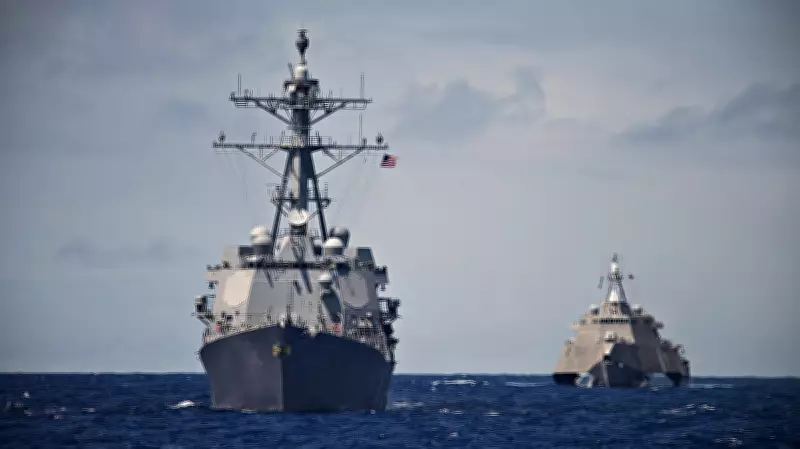
Two US Navy Vessels Collide During Replenishment Operation Near South America
In a significant maritime incident, two United States Navy ships have collided in waters near South America, according to a recent report. The collision occurred during a routine replenishment-at-sea operation, highlighting the complexities and risks involved in naval logistics and maneuvers.
Details of the Collision
The vessels involved are the Arleigh Burke-class destroyer USS Truxtun and the Supply-class fast combat support ship USNS Supply. These ships were engaged in a replenishment-at-sea, a critical procedure where supplies such as fuel, food, and ammunition are transferred between vessels while underway. This operation is essential for maintaining naval readiness during extended deployments but requires precise coordination and navigation.
The collision resulted in minor injuries to two individuals aboard the ships. While the exact nature of the injuries has not been disclosed, initial reports indicate they are not life-threatening. The incident underscores the potential dangers even in standard naval operations, where human error or technical issues can lead to accidents.

Implications and Response
This event raises questions about safety protocols and training within the US Navy, especially given the strategic importance of the South American region for maritime security and international trade routes. The US Navy has not yet released an official statement regarding the cause of the collision, but such incidents typically prompt internal investigations to assess factors like:
- Weather conditions at the time of the operation
- Communication errors between the ships' crews
- Mechanical failures or navigation system malfunctions
- Adherence to established safety procedures during replenishment
Replenishment-at-sea is a high-stakes maneuver that demands exceptional skill from naval personnel. It involves ships sailing in close proximity at similar speeds, making them vulnerable to collisions if any misstep occurs. The US Navy regularly conducts these operations to support its global presence, and incidents like this serve as a reminder of the inherent risks.
Broader Context
The collision near South America comes at a time when the US Navy is actively engaged in various missions worldwide, including counter-piracy efforts, humanitarian aid, and joint exercises with allied nations. South American waters are often patrolled as part of efforts to combat drug trafficking and ensure regional stability. This incident may temporarily affect naval operations in the area, but it is unlikely to have long-term strategic impacts given the minor nature of the injuries and damage reported.
As the investigation unfolds, updates on the condition of the injured personnel and the extent of damage to the ships are expected. The US Navy will likely review and reinforce its training programs to prevent similar occurrences in the future, emphasizing the importance of safety in all maritime activities.