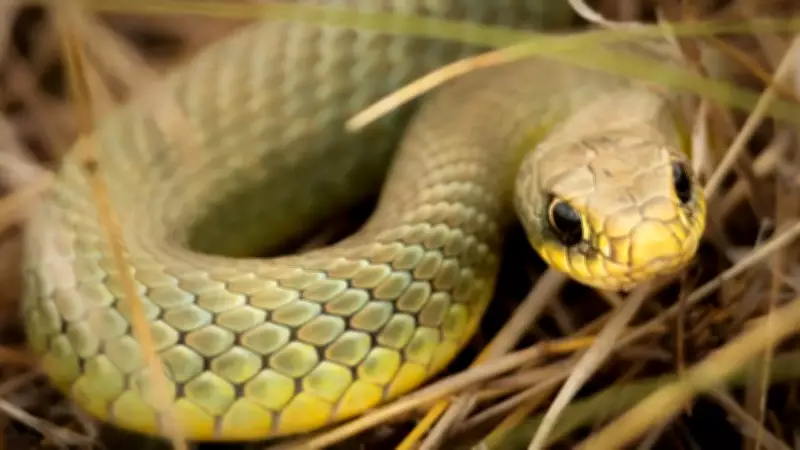
Climate Change Forces Australia's Venomous Snakes Towards Coastal Populations
A recent international study has uncovered a concerning trend: some of Australia's most dangerous snake species are gradually shifting their habitats towards populated coastal regions. This movement is primarily driven by climate change, with rising temperatures and altered rainfall patterns reshaping natural environments over time.
Snake Migration Linked to Environmental Shifts
The findings, based on comprehensive climate modeling, indicate that as inland areas become less hospitable due to climate impacts, venomous snakes are increasingly moving towards the eastern coastline. This region boasts significantly higher population density, setting the stage for more frequent human-wildlife encounters in the coming decades.
Researchers analyzed over 500 medically important snake species globally, with projections highlighting substantial habitat suitability changes in Australia. The gradual but noticeable trend underscores how climate change is actively altering species distribution patterns.

Eastern Brown Snake Range Expansion
The eastern brown snake, responsible for the majority of snakebite cases in Australia, is at the forefront of this shift. Currently widespread in agricultural zones, grasslands, and urban outskirts, this highly venomous species may see its habitat expand southwards along the east coast.
New environmental conditions are promoting survival in previously unsuitable locations, potentially increasing the risk of contact with people in suburban areas. While some species like the eastern brown snake experience habitat expansion, others, such as the inland taipan, face contraction due to climate-driven ecosystem changes.
Implications for Public Health and Safety
Australia typically records only two to three snakebite deaths annually, thanks to effective healthcare, readily available antivenoms, and public safety awareness. However, the increased presence of snakes near populated regions could lead to higher attack incidences, more sightings, and a rise in non-fatal bites.
Preparedness is crucial; understanding regional snake emergence patterns can aid in targeted antivenom distribution and conservation efforts. Different snake species require specific treatments, making this study valuable for medical and environmental planning.
Experts emphasize that while the transition is gradual, the trend is becoming increasingly evident. This shift necessitates updated strategies for human-wildlife interaction management, ensuring community safety while addressing the broader impacts of climate change on biodiversity.