Untreated Village Sewage Identified as Major Source of Pavana River Pollution
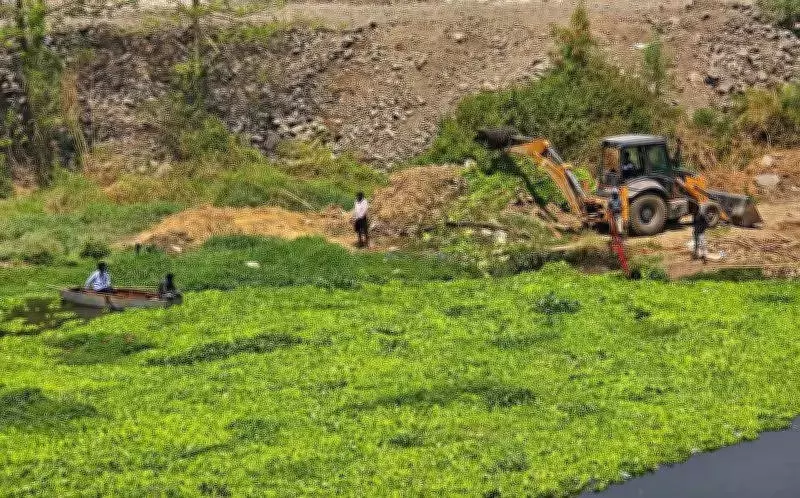
A joint committee report submitted to the National Green Tribunal (NGT) has revealed that untreated sewage and grey water from at least 20 villages under the Pune Zilla Parishad and Pune Metropolitan Region Development Authority (PMRDA) are significant contributors to the deteriorating water quality of the Pavana river. The findings come after the river was classified in the Central Pollution Control Board's 'Priority I' category due to escalating pollution levels and high biochemical oxygen demand (BOD), which has been linked to mass fish deaths reported near Thergaon.
NGT Committee Investigation and Findings
The NGT ordered the formation of the joint committee in August last year to investigate whether untreated wastewater from villages under the Zilla Parishad was being discharged into the Pavana river. The committee, comprising officials from the Central Pollution Control Board (CPCB), Maharashtra Pollution Control Board (MPCB), and the Pune district collector, conducted a thorough review of the situation.
The committee's investigation uncovered extensive discharge of untreated household waste from villages situated along the river. According to the report, approximately 57% of households lack proper septic tank connections, leading to the direct discharge of sewage into open drains that eventually flow into the river. Similarly, nearly 92% of households do not have kitchen garden-based grey-water treatment systems, resulting in sullage entering natural drains without any treatment.

The committee identified 15 natural drains that channel sewage and sullage directly into the Pavana river. In response to these findings, the report recommended time-bound action by the Zilla Parishad and PMRDA to prevent further deterioration of the river's water quality.
PMRDA's Response and Environmental Concerns
In response to the pollution crisis, the PMRDA has initiated work on 14 decentralised sewage treatment plants (STPs) with a combined capacity of 5.84 million liters per day (MLD). These plants will utilize Solid Immobilised Bio-Filter (SIBF) technology, a sustainable and eco-friendly wastewater treatment method that employs a specialised, stationary ecosystem to consume waste.
A senior PMRDA official stated, "The tendering process has begun and on-ground work will start soon."
Environmental activists have long expressed concerns over pollution in the Pavana river, which originates near Lonavla and travels approximately 60 kilometers before merging with the Mula river in Dapodi. This includes a 25-kilometer stretch through Pimpri Chinchwad. Pimpri Chinchwad Municipal Corporation (PCMC) officials have previously attributed the river's poor condition to untreated discharge from areas outside municipal limits, which prompted the NGT's intervention.
Residents and activists have frequently reported incidents of white toxic foam, particularly near Thergaon, highlighting the severity of the pollution.
Community Response and Drinking Water Implications
Rahul Sarwade of the Thergaon Social Foundation welcomed the action being taken outside PCMC limits but emphasized the need for the civic body to evaluate its own systems. "In several PCMC areas, domestic effluents still bypass STPs and enter the river directly. Water quality outside the city limits remains better than within PCMC, underscoring the need for stronger civic measures," he said.
The Pavana river serves as the primary drinking water source for Pimpri Chinchwad, supplying over 70% (520 MLD) of the city's water from the Pavana dam. This makes the pollution issue not only an environmental concern but also a critical public health and water security matter for the region.
The NGT report underscores the urgent need for coordinated efforts between local authorities, environmental agencies, and community organizations to address the systemic issues contributing to river pollution and ensure the long-term health of the Pavana river ecosystem.