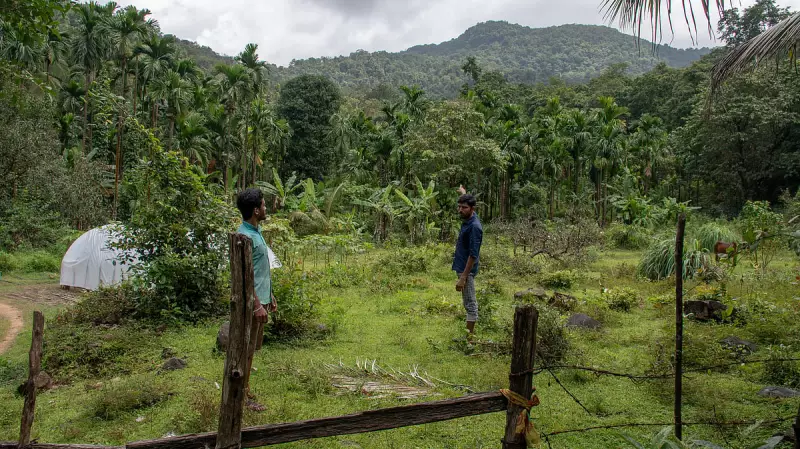
A major hydropower project proposed in the ecologically sensitive Sharavathi river valley in Karnataka is now embroiled in a controversy over environmental clearances. Conservation groups have raised serious allegations, claiming that the Karnataka Power Corporation Ltd (KPCL) violated established procedures to obtain the necessary permissions for its Sharavathi pumped storage project.
Details of the Project and the Allegations
The project, which has attracted widespread criticism from environmentalists and local communities, involves the construction of a large powerhouse between two existing dams. To facilitate this, KPCL has formally sought the diversion of 131.81 acres of protected forest land in the lush valley. The core allegation from conservationists is that the due process mandated for such forest land diversion was not properly followed, potentially bypassing crucial environmental safeguards and consultations.
Critics argue that the procedural lapses could have significant repercussions for the region's biodiversity and water security. The Sharavathi valley is part of the Western Ghats, a UNESCO World Heritage Site and one of the world's eight "hottest hotspots" of biological diversity. The news of the alleged violations was reported on 31 December 2025, bringing the issue into the public spotlight.

Potential Impact and Growing Opposition
The proposed diversion of over 130 acres of forest is seen as a direct threat to the local ecosystem. Environmentalists warn that the project could lead to habitat fragmentation, affect water flow in the river, and disrupt the livelihoods of communities dependent on the forest. The widespread criticism mentioned in reports stems from a coalition of activists, researchers, and citizens who are demanding greater transparency and a thorough review of the clearance process.
They are calling for the authorities to re-examine the approvals granted to KPCL and ensure strict compliance with all environmental laws, including the Forest (Conservation) Act. The controversy highlights the ongoing tension between the state's push for energy infrastructure development and the imperative to protect fragile ecosystems.
What Happens Next?
The allegations put the spotlight on both the Karnataka state government and central forest advisory bodies. The next steps likely involve formal inquiries into the clearance process. The project's future may hinge on whether the authorities find merit in the conservationists' claims of procedural violations. This case is being closely watched as a test for environmental governance in India, balancing developmental energy needs with critical ecological conservation.