

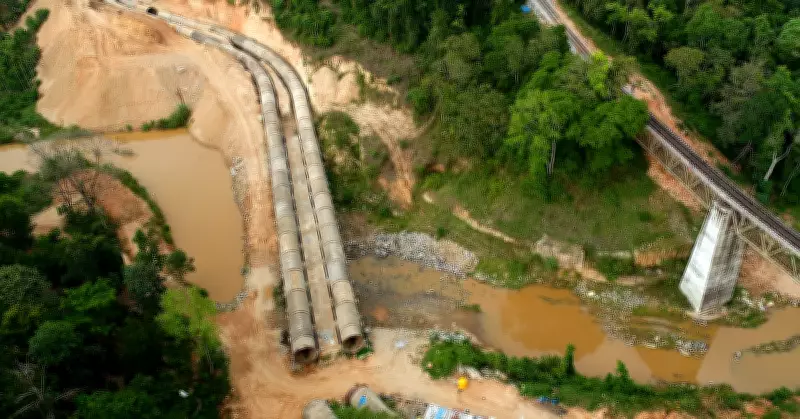
Western Ghats Under Siege: Ignored Warnings Trigger Ecological Alarm
The Western Ghats, a UNESCO World Heritage site and one of India's most vital ecological hotspots, is facing a severe crisis as years of ignored warnings have now triggered widespread ecological alarm. This mountain range, stretching across Karnataka and other states, is under siege from rampant deforestation, unchecked development, and climate change impacts, threatening its rich biodiversity and the livelihoods of millions.
Years of Neglect and Warnings
For decades, environmentalists and scientists have issued repeated warnings about the degradation of the Western Ghats, but these alerts have largely been overlooked by policymakers and authorities. The region, known for its unique flora and fauna, has seen a steady decline due to activities such as illegal mining, agricultural expansion, and infrastructure projects. Studies indicate that over 30% of the forest cover has been lost in recent years, exacerbating soil erosion and water scarcity.
Ecological Impacts and Biodiversity Loss
The ecological consequences are dire, with significant biodiversity loss affecting endemic species like the lion-tailed macaque and Malabar civet. Deforestation has disrupted watersheds, leading to reduced rainfall and increased vulnerability to natural disasters such as landslides and floods. Climate change further compounds these issues, with rising temperatures altering habitats and threatening the survival of many plant and animal species.

- Illegal logging and land encroachment
- Unregulated tourism and urban sprawl
- Pollution from industrial activities
- Lack of enforcement of conservation laws
Urgent Calls for Action
In response, environmental groups and local communities are raising urgent calls for immediate action to protect the Western Ghats. Proposals include stricter enforcement of existing regulations, promotion of sustainable practices, and increased funding for conservation efforts. The Karnataka government and central authorities are being urged to implement comprehensive plans to restore degraded areas and mitigate further damage.
Experts emphasize that without swift intervention, the Western Ghats could face irreversible ecological collapse, impacting not only the environment but also the economy and health of the region.This situation highlights the critical need for balanced development that prioritizes ecological sustainability, ensuring that future generations can benefit from this natural treasure. The alarm bells are ringing louder than ever, and it is time for concerted efforts to safeguard the Western Ghats before it is too late.






