Global Wildfire Danger Skyrockets, Climate Change Identified as Primary Driver
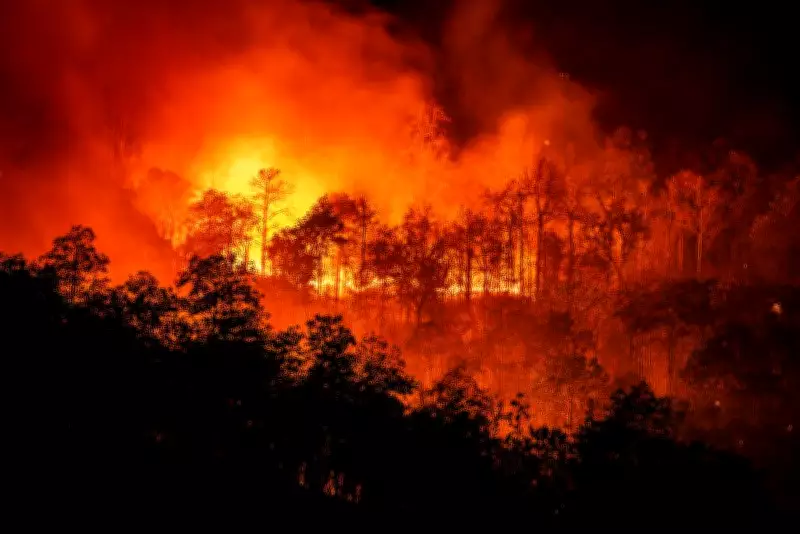
A comprehensive new analysis has delivered a stark warning: the risk of devastating wildfires across the globe has tripled over the past 45 years. This alarming escalation is being directly fueled by the accelerating impacts of climate change, which are altering weather patterns and creating tinderbox conditions in many regions.
Study Reveals Unprecedented Increase in Fire-Prone Conditions
The research, which examined decades of meteorological and fire data, paints a concerning picture of a planet growing increasingly vulnerable to flames. Scientists found that the combination of rising global temperatures, prolonged droughts, and shifting precipitation cycles has dramatically expanded the geographic and seasonal windows for wildfires to ignite and spread uncontrollably.
Key findings indicate that areas once considered low-risk are now experiencing heightened fire danger. The study's authors emphasize that this is not an isolated trend but a global phenomenon, with significant implications for ecosystems, human settlements, and economies.

How Climate Change Acts as an Accelerant
The mechanics behind this tripling of risk are deeply intertwined with anthropogenic climate change. Warmer air temperatures lead to increased evaporation, drying out vegetation and soil more rapidly. This creates abundant, highly flammable fuel for fires. Furthermore, changing weather patterns, including more frequent heatwaves and altered wind currents, provide the perfect ignition sources and conditions for rapid fire propagation.
"The data clearly shows that climate change is acting as a powerful accelerant for wildfires," the report states. "We are moving into a new era where fire seasons are longer, more intense, and less predictable."Regional Impacts and Future Projections
The increased risk is not uniform but affects diverse biomes:
- Forests: Boreal and temperate forests are experiencing more severe burns.
- Mediterranean Climates: Regions like Southern Europe and California face extended, deadly fire seasons.
- Grasslands and Savannas: These ecosystems are also seeing elevated fire activity.
Looking ahead, projections suggest that without significant reductions in greenhouse gas emissions, wildfire risk will continue to climb. This poses severe threats to air quality, biodiversity, carbon storage, and human safety.
A Call for Integrated Fire and Climate Management
The study concludes with an urgent call for action. It advocates for a dual approach: aggressive climate mitigation to curb global warming and enhanced adaptive strategies for wildfire management. This includes improved forest management, early warning systems, and community preparedness plans to build resilience against the growing threat of fires in a warming world.