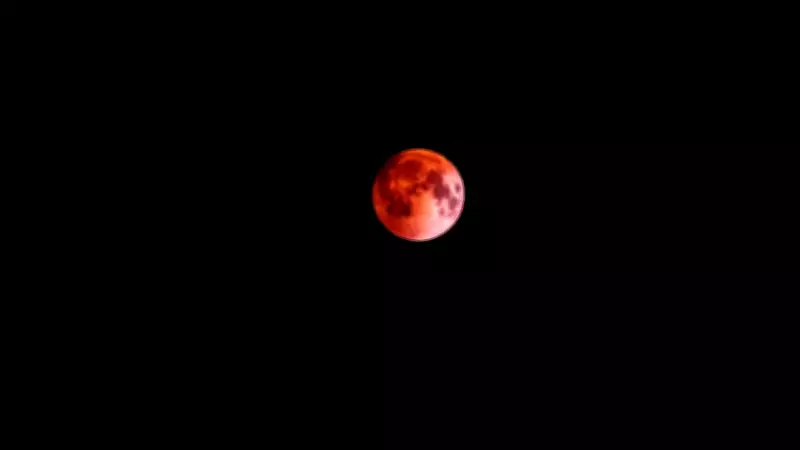
Worm Moon 2026: A Celestial Spectacle of Spring and Eclipse
The Worm Moon, a serene herald of early spring, is set to illuminate the night sky in March 2026. This full moon, the third of the year, rises as winter wanes and warmth begins to hint at the changing seasons. Its name originates from earthworms emerging as the ground thaws, a sign of renewal in nature. Beyond this, the Worm Moon in 2026 promises an extraordinary event: a total lunar eclipse that will cast a deep red hue across the lunar surface, often referred to as a 'Blood Moon'.
Total Lunar Eclipse: Timing and Global Visibility
The total lunar eclipse associated with the Worm Moon will unfold from March 2 to March 3, 2026. It reaches its peak, full reddish phase, in the early morning hours of March 3. According to Timeanddate.com, the Worm Moon will peak at 6:30 am EST (5:08 pm IST). This celestial phenomenon occurs when Earth passes directly between the Sun and the Moon, casting its shadow and allowing sunlight to refract through Earth's atmosphere, giving the Moon its characteristic crimson glow.
Visibility for this eclipse spans multiple continents. People living in Asia, Australia, and much of North America will have the opportunity to witness at least part of the event. Additional regions that may see portions of the eclipse include eastern Europe, South America, the Pacific, Atlantic, Indian Ocean, Arctic, and Antarctica. In the eastern United States, observers will experience the Moon setting while fully eclipsed, disappearing into Earth's shadow near the horizon, creating a magical and rare sight.

Meaning and Names of the Worm Moon
The Worm Moon is deeply rooted in seasonal observations and cultural traditions. Native Americans reportedly named it the Worm Moon due to the trails left by earthworms in the thawing soil, signaling the arrival of spring. However, this full moon bears various other names, each telling a unique story of survival and natural rhythms:
- Chaste Moon: Symbolizing purity and new beginnings.
- Death Moon: Reflecting the end of winter's harshness.
- Crust Moon: Named for the crusted snow that thaws by day and freezes at night.
- Sap Moon: Tied to maple tree tapping for syrup production.
- Full Crow Moon: Derived from the cawing of crows marking winter's conclusion.
These names highlight how different cultures have interpreted this lunar event, emphasizing its role as a marker of ecological and agricultural cycles. The Worm Moon occurs annually in March, aligning with the lunar cycle of approximately 29.5 days, when Earth positions itself between the Sun and the Moon, fully illuminating the lunar surface from our perspective.
Viewing Tips for the Worm Moon Eclipse
Unlike solar eclipses, a lunar eclipse is safe to view with the naked eye, requiring no special glasses. To enhance your experience, consider these practical tips:
- Find an optimal location: Choose a spot with an open sky, minimal light pollution, and low obstructions like buildings or trees to clearly observe moonrise and the eclipse phases.
- Use optional equipment: Binoculars or a telescope can provide closer views of the Moon's details during the eclipse, though they are not necessary for enjoyment.
- Plan for timing: Be prepared for early morning or late-night viewing, depending on your time zone, as the eclipse peaks in the pre-dawn hours for many regions.
This Worm Moon is more than just a lunar event; it serves as a poignant signal of seasonal transition, blending astronomical wonder with earthly renewal. As you watch the reddish glow envelop the Moon, remember that it's a testament to the intricate dance of celestial bodies and the enduring rhythms of life on our planet.