

Pentagon Discloses Significant Casualties in Iran Conflict
The United States Department of Defense, commonly known as the Pentagon, has officially reported that at least 140 American service members have sustained injuries as hostilities with Iran intensify. This announcement underscores the growing severity of military engagements in the Middle East, raising concerns about further escalation and its impact on regional stability.
Details of the Casualties and Military Context
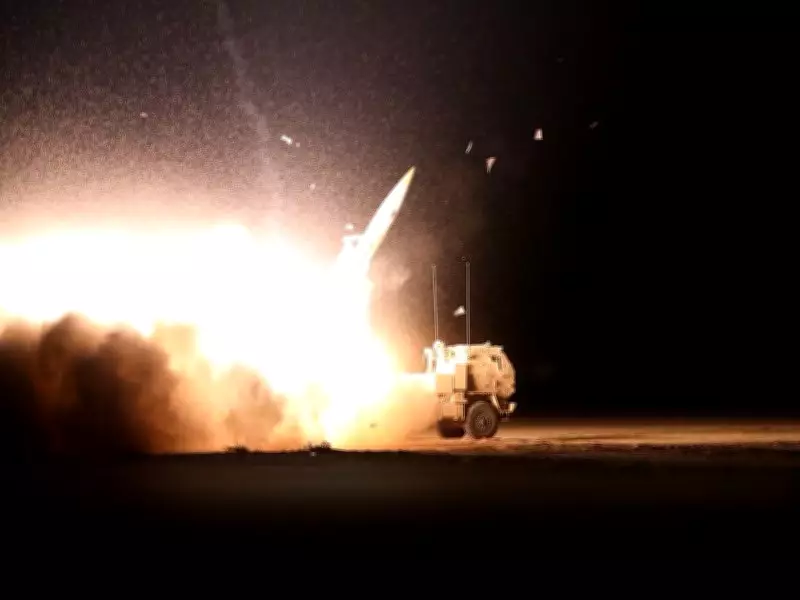
According to the Pentagon, the wounded personnel include members from various branches of the U.S. military, such as the Army, Navy, Air Force, and Marine Corps. The injuries range from minor to severe, with some requiring immediate medical evacuation and ongoing treatment. The incidents occurred in recent weeks amid a series of confrontations, including drone strikes, missile attacks, and ground skirmishes, as tensions between the U.S. and Iran have heightened over geopolitical disputes and security threats.
The Pentagon emphasized that these casualties are a direct result of the intensified conflict, which has seen both sides engaging in aggressive maneuvers. Military analysts note that the number of wounded could rise as operations continue, with ongoing deployments and strategic adjustments in the region. The U.S. has increased its military presence in key areas, such as the Persian Gulf and neighboring countries, to counter Iranian activities and protect allied interests.

Broader Implications for International Relations
This development comes at a critical time, as international observers warn of the potential for a full-scale war. The conflict has already disrupted global oil supplies and strained diplomatic efforts, with countries like Russia and China monitoring the situation closely. The United Nations has called for de-escalation, but progress has been limited due to deep-seated animosities and competing agendas.
The rising casualty count highlights the human cost of the conflict, prompting debates in U.S. political circles about the sustainability of military involvement. Lawmakers from both parties have expressed concerns over the risks to American troops and the broader implications for national security. Meanwhile, Iran has issued statements condemning U.S. actions and vowing to defend its sovereignty, further fueling the cycle of retaliation.
Future Outlook and Strategic Considerations
As the Pentagon continues to assess the situation, military strategists are exploring options to mitigate risks while achieving strategic objectives. This includes enhancing defensive measures, such as improved intelligence gathering and advanced missile defense systems, to protect service members. Additionally, diplomatic channels remain open, albeit with limited success, as both sides navigate complex negotiations.
The international community is urged to support peaceful resolutions to prevent further loss of life. With over 140 troops already wounded, the urgency for a diplomatic breakthrough is more pressing than ever, as prolonged conflict could lead to even greater humanitarian and economic consequences worldwide.






