Massive Repatriation Effort Brings Over 244,000 Indians Home from West Asia War Zone
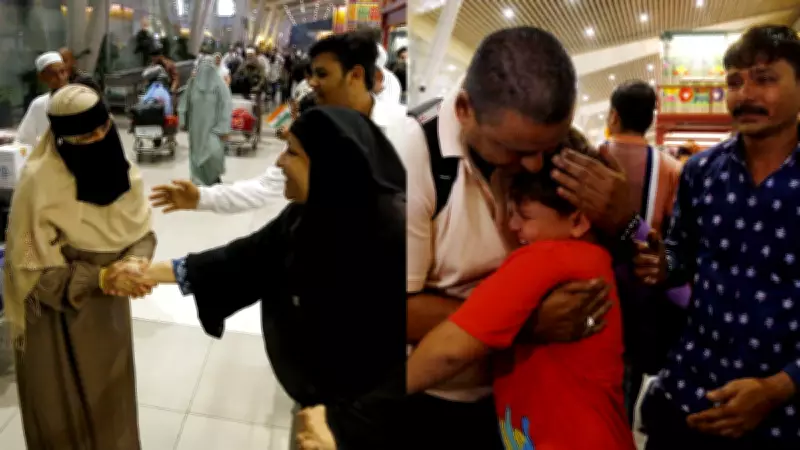
In a significant humanitarian operation, the Indian government has successfully facilitated the return of nearly 2.44 lakh citizens from conflict-ridden regions in West Asia. This large-scale evacuation comes as hostilities in the area intensify, posing severe risks to foreign nationals, including a substantial Indian diaspora.
Casualties and Missing Persons Confirmed Amidst Evacuation
Tragically, the ongoing conflict has resulted in the deaths of five Indian nationals. Authorities have confirmed these fatalities, which occurred due to the volatile security situation. Additionally, one Indian citizen remains missing, with search and rescue efforts actively underway. The identities and specific circumstances surrounding these cases are being closely monitored by Indian diplomatic missions.
Details of the Evacuation Operation and Government Response
The repatriation initiative, dubbed "Operation Safe Return," involved coordinated efforts between the Ministry of External Affairs, the Indian Air Force, and naval resources. Special flights and naval vessels were deployed to extract citizens from high-risk zones, prioritizing those in immediate danger. The government has established emergency helplines and temporary shelters in neighboring countries to assist evacuees during transit.
Key aspects of the operation include:- Utilization of both military and civilian aircraft for airlifts.
- Collaboration with international organizations and host nations for safe passage.
- Provision of medical aid and psychological support to returning individuals.
- Continuous monitoring of the security landscape to adjust evacuation strategies.
Broader Context of the West Asia Conflict and Its Impact
The conflict in West Asia, involving multiple state and non-state actors, has escalated dramatically in recent months, leading to widespread displacement and humanitarian crises. The region hosts a large number of Indian expatriates, many employed in sectors like construction, healthcare, and services. The evacuation underscores the global ramifications of regional instability, affecting labor markets and bilateral relations.
Experts highlight that such conflicts disrupt not only local economies but also international mobility, necessitating robust contingency plans from nations with significant overseas populations.Ongoing Efforts and Future Preparedness
Indian authorities emphasize that repatriation efforts are ongoing, with plans to assist any remaining citizens seeking to return. The government is also reviewing its crisis management protocols to enhance future responses to similar emergencies. This includes strengthening early warning systems and increasing coordination with diaspora communities abroad.
As the situation in West Asia remains fluid, India continues to advocate for peaceful resolutions through diplomatic channels while ensuring the safety of its nationals abroad. The successful evacuation of over 244,000 individuals marks one of the largest such operations in recent history, reflecting a commitment to citizen welfare amidst global uncertainties.