Around 40,000 people were ordered to evacuate parts of Southern California after a hazardous chemical leak at an aerospace manufacturing facility in Garden Grove triggered fears of a possible explosion on Friday.
Evacuation Orders and School Closures
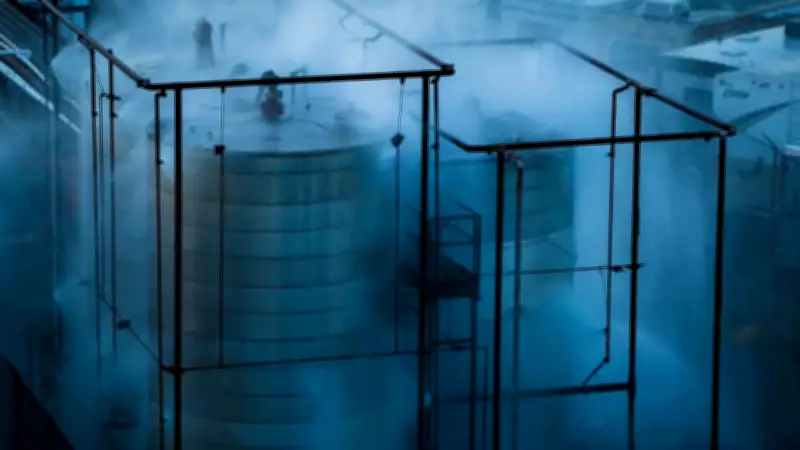
Authorities scrambled to contain the situation after a storage tank at GKN Aerospace, which manufactures parts for commercial and military aircraft, began leaking methyl methacrylate, a highly volatile, toxic and flammable chemical used in plastic production, AP reported. Schools in the affected regions were also shut as emergency teams worked to prevent the tank from exploding. No injuries or deaths have been reported so far.
Cause of the Leak
Officials said the tank overheated on Thursday and started releasing hazardous vapours into the air, prompting large-scale evacuation orders across the area. Authorities warned that the tank could either crack and spill thousands of litres of chemicals or explode entirely. The tank reportedly contains between 22,700 and 26,500 litres of the substance.

“This is not precautionary. This thing is going to fail, and we don’t know when,” Garden Grove Fire Chief Craig Covey said. “We're doing our best to figure out when or how we can prevent it.”
Expansion of Evacuation Zones
Evacuation orders initially covered Garden Grove before expanding to parts of five nearby cities, Cypress, Stanton, Anaheim, Buena Park and Westminster. “We understand that this is frightening, but the evacuation orders are in place for your safety,” Garden Grove Mayor Stephanie Klopfenstein said, as quoted by AP.
Response Efforts
According to BBC, hazardous materials teams are working with technical experts to depressurise the tank and contain the leak. Sandbags have also been placed around the facility to prevent any chemical spill from reaching storm drains, creeks or the nearby ocean. Officials said one of the two damaged tanks has been stabilised, but the second remains a major concern.
“We are setting up these evacuations in preparation for two options: it fails, or it blows up,” Covey added.