

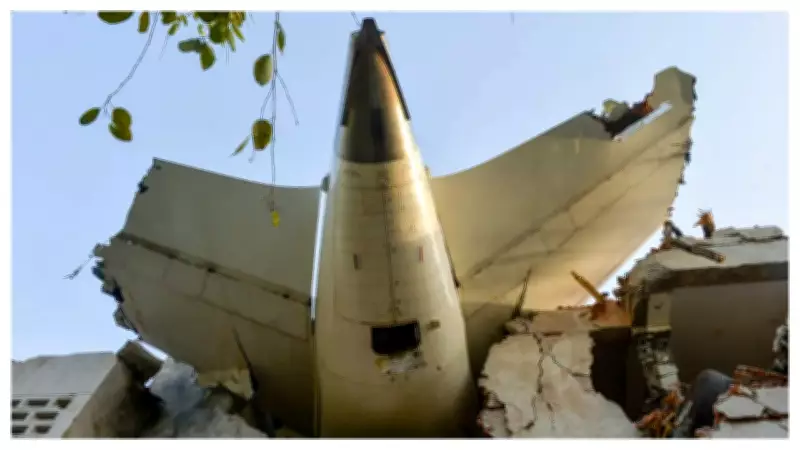
AI-171 Crash: A Year On, the Wounds Remain Fresh
A year after the AI-171 crash claimed 260 lives, the BJ Medical College hostel complex remains frozen in tragedy. Just a few kilometres from the airport, the crash site stands as a haunting reminder of that day, with every low-flying aircraft rekindling painful memories. Walking through the compound still feels eerie. From the canteen where the aircraft's tail section slammed into the hostel building to the spots where other wreckage crashed and fuel-fed flames engulfed the structures, the scars of the disaster remain unmistakable. The smell of jet fuel has long faded, and the debris has been cleared away, but traces of interrupted lives linger. Plates with unfinished meals remain on tables, abandoned footwear lies scattered, and blackened buildings framed by charred trees bear silent witness to the catastrophe.
The gutted structures now stand exposed, with entire sections torn away, making the ruins appear even more unsettling. Passersby continue to glance at the compound with dread, especially whenever an aircraft passes overhead. Since the crash, the site has remained off-limits, guarded by security personnel and police. The chaos of that day has given way to an uneasy silence, but the aftermath continues to haunt the families who lost loved ones. While the physical wounds have begun to fade, the emotional scars remain deeply etched into the landscape and the memories of those left behind.
Sitaben Patani: A Mother's Unending Pain
Sitaben Patani, who suffered 35% burn injuries to her arms, face, back and legs, still struggles to speak about the horror of that day. Her family ran a tea stall adjacent to the hostel complex, where they spent most of their days together. Her 15-year-old son, Akash, was sleeping near the compound wall when the aircraft crashed, and a fireball engulfed the area. In a desperate attempt to save him, Sitaben rushed into the flames, but despite her efforts, she could not rescue her youngest child.

With tears in her eyes, she says, “I have no words to describe the day I lost my son. His screams still echo in my ears whenever I think about those final moments. Even now, the sound of an aircraft flying overhead fills me with fear. Along with emotional trauma, the physical pain remains unbearable. For the past year, I have been visiting the hospital every 15 to 20 days for treatment. I can barely lift my arm without feeling my skin stretch, and I still feel the burning sensation from my injuries. I am expected to undergo plastic surgery in the coming months. It feels as though the pain will never end. My family has not recovered from the trauma, and we have not reopened our tea stall since that day. We simply cannot bring ourselves to walk back there.”
Mukti Vansadiya: Still Waiting for Closure
Mukti Vansadiya from Surat lost both her parents—65-year-old Arjunsinh and 60-year-old Divya—in the crash. She says, “Even after a year, I find it difficult to accept that they are gone. The past few days have been especially painful as memories of their travel preparations last year keep resurfacing. Recently, I passed the shop where I had bought their bags for the trip, and I broke down. In the months after the crash, I could barely breathe, struggled to get out of bed, and hardly spoke or ate. Being alone made it even harder. I slipped into severe depression and underwent intensive therapy to cope with the shock. In fact, I only resumed work and began eating properly again in March. While life has slowly moved forward, memories of their final day still hit me without warning.”
She adds, “Like many other families, I am still waiting for answers from the authorities. It often feels as though compensation is being treated as the end of their responsibility, but that is not what we want. We would gladly return every rupee if it meant receiving proper closure—final reports, accountability, respect, and acknowledgement. The delays over the past year are unacceptable. Accountability does not end with money; no amount can replace the people we have lost. We have spent a year seeking answers from the authorities, often without success, but we continue to hold on to hope that justice will eventually prevail.”

Kuldip Ishrani: Families Exhausted by Emotional Toll
Kuldip Ishrani, a 37-year-old social activist, has spent the past year supporting victims' families in any way he could—whether through legal assistance, therapy, or simply providing a listening ear. He says, “My only intention was to bring these families together because no one understands their pain and struggles better than they do. When I first started meeting them, I felt overwhelmed and wondered how I could possibly help everyone. But gradually, I began visiting their homes, spending time with them, and simply being there for them—a shoulder to cry on. What these families needed most was someone who would genuinely listen. The media came, heard their stories, and moved on. Officials listened too, offering promises and compensation, but much of it felt hollow. More than anything, these families wanted their grief to be acknowledged.”
He adds, “The families have slowly begun their journey towards healing, but they are exhausted by the emotional toll this tragedy has taken on their lives. While most compensation claims have been settled and a few are still being processed, many families continue to wait for the final investigation report, black box recordings, and other answers that could provide closure. Today, we are planning a candlelight tribute at the crash site to honour the victims, stand in solidarity with their loved ones, and remind them that they have not been forgotten.”





