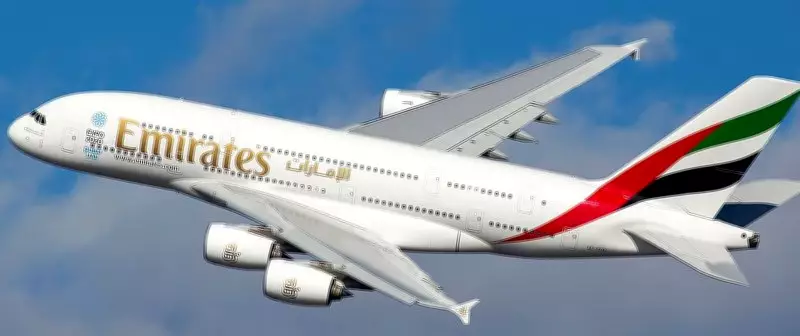
Urgent Inspections Ordered After Wing Cracks Discovered on Airbus A380s
The European Union Aviation Safety Agency (EASA) has mandated immediate inspections on 16 Airbus A380 aircraft after cracks were detected in a critical wing-spar component during routine maintenance. The component is a major structural beam that runs through the wing and bears much of the stress generated during flight.
Airbus confirmed that five aircraft, all operated by Emirates, will undergo inspections immediately, with examinations beginning Wednesday. The remaining 11 aircraft can continue flying temporarily but must be inspected before completing another 25 flight cycles, or roughly 13 flights.
Emirates and Qantas Primarily Affected
The issue primarily affects Emirates, which operates 15 of the 16 aircraft identified for inspection. Emirates remains the world’s largest operator of the double-decker superjumbo, accounting for more than half of all active A380s globally. The remaining aircraft is operated by Qantas.

According to Airbus, the cracks were discovered during inspections mandated under an EASA airworthiness directive issued in December 2025. The company stated that the affected aircraft shared a similar production history and warned that the defect could potentially compromise the structural integrity of the wing if left unresolved.
Production History and Corrective Measures
Airbus said all A380s with the same production profile have now been identified and will be examined. The company added that it would work with EASA to determine whether repairs or further corrective measures would be required.
The latest issue revives memories of earlier structural concerns involving the A380. In 2012, aviation regulators ordered fleet-wide inspections after cracks were found in brackets linking the wing skin to internal ribs, raising questions about the long-term durability of key wing components.
Impact on Global A380 Fleet
The Airbus A380 continues to be flown by major international carriers, including Emirates, Singapore Airlines, British Airways, Lufthansa, Qatar Airways, Korean Air, Etihad Airways, ANA, and Asiana Airlines. The current inspections are limited to the 16 identified aircraft, but the situation is being closely monitored by regulators and operators worldwide.