

Anti-Pakistan Violence Surges in January Amid Governance Failures
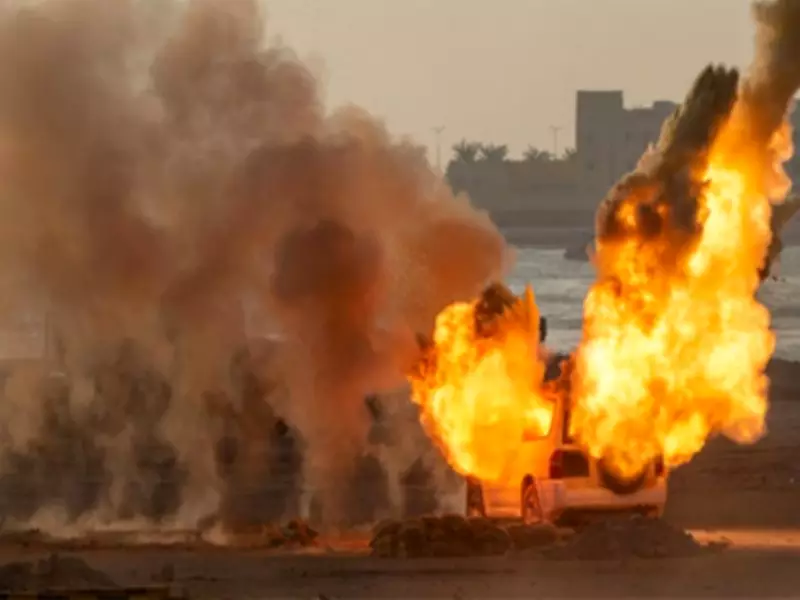
A concerning escalation in anti-Pakistan violence has been documented throughout the month of January, with incidents rising sharply compared to previous periods. This surge is being closely linked to significant governance failures and security lapses within the region, which have created an environment conducive to such unrest. The increase in violent activities has sparked widespread alarm among analysts and policymakers, who fear it could undermine stability in the area.
Root Causes of the Escalation
The primary drivers behind this uptick in violence include systemic governance issues that have persisted over time. Administrative inefficiencies and a lack of effective policy implementation have left gaps in security and public trust. Additionally, economic disparities and social grievances have fueled discontent, providing fertile ground for anti-state sentiments to flourish. These factors combined have led to a noticeable spike in attacks and protests targeting Pakistani interests.
Impact on Regional Security
The surge in violence has had a profound impact on regional security dynamics. Cross-border tensions have intensified, with neighboring areas experiencing spillover effects that threaten broader peace. Security forces are reportedly struggling to contain the situation, highlighting the urgent need for improved coordination and strategic responses. The ongoing unrest not only jeopardizes local communities but also poses risks to international relations and trade in the region.

Government Response and Criticisms
In response to the escalating violence, government officials have acknowledged the challenges but face criticism for their handling of the crisis. Critics argue that delayed interventions and inadequate resource allocation have exacerbated the problem. There are calls for comprehensive reforms, including enhanced intelligence gathering and community engagement initiatives, to address the underlying causes. However, progress has been slow, raising questions about the effectiveness of current strategies.
Future Outlook and Recommendations
Looking ahead, experts warn that without immediate and decisive action, the violence could continue to escalate, leading to more severe consequences. Recommendations include:
- Strengthening governance structures to ensure accountability and transparency.
- Investing in security infrastructure to prevent future lapses.
- Fostering dialogue with affected communities to address grievances.
- Enhancing regional cooperation to manage cross-border threats.
Addressing these issues is crucial to restoring stability and preventing further deterioration of the situation. The international community is closely monitoring developments, with hopes for a peaceful resolution to the ongoing crisis.






