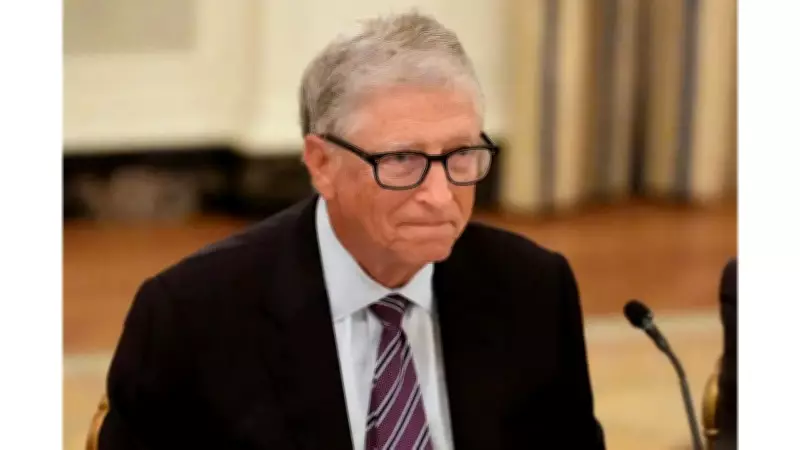
Bill Gates recently testified before the US House Oversight and Government Reform Committee regarding his interactions with Jeffrey Epstein. During his testimony, Gates expressed regret for meeting Epstein, stating that he "should never have met with Epstein in the first place." The Microsoft co-founder revealed that he was introduced to Epstein in 2011 through people he trusted in his professional and philanthropic work. Epstein claimed he could raise billions of dollars for global health from individuals for whom he provided tax and estate services, Gates noted.
Details of the Meetings
Gates detailed his interactions with Epstein, which began with a limited number of preliminary meetings—three in 2011 and two in 2012—during which they discussed the goals of his work. More extensive conversations occurred in 2013 and 2014, focusing on potential giving structures such as donor-advised funds and how to enroll individuals Epstein claimed were interested in making significant contributions. Gates emphasized that he made it clear from the outset that Epstein would never play a role in any of the work or receive any compensation.
Realization and Termination
In 2014, after Epstein brought together a group he described as potential donors, Gates realized that their discussions had reached a dead-end. No one in the group was sufficiently interested to move forward. Gates concluded that Epstein would never deliver on his promises and stopped communicating or meeting with him. No charitable giving vehicle was created, and no funds were raised. Their interactions ended in December 2014, four years before new reports and unsealed court documents revealed the extent of Epstein's crimes.

Personal and Professional Impact
Gates also addressed the involvement of Epstein in a personnel matter. During the same period, an employee transitioning out of Gates's private office engaged Epstein to negotiate the terms of the separation. Gates stated that he did not ask for Epstein's involvement, and the final agreement was no different from what had been previously agreed upon. After this, Gates learned that Epstein had become aware of sensitive information about his personal life, including his infidelity. Epstein attempted to use this information to pressure Gates to re-engage, but Gates resisted.
Regret and Lesson Learned
Gates reiterated his regret, stating, "I should never have met with Epstein in the first place. Based on what I know now, I understand that even if he had delivered the new donors he promised, it would not have justified associating with him." He acknowledged that Epstein sought to build an image of legitimacy through connections with reputable people, and Gates allowed his focus on fundraising to override his better judgment. He described meeting with Epstein as a "grave error in judgment" and apologized if his association lent Epstein any credibility.
Testimony Context
Gates's testimony was part of the committee's investigation into Epstein's activities. Gates expressed support for the release of all Epstein files and hoped that survivors would receive justice. He stated that he never witnessed or had any indication of Epstein's ongoing criminal conduct, nor did he visit Epstein's island, ranch, or Florida home. The full text of his testimony was submitted to the committee.