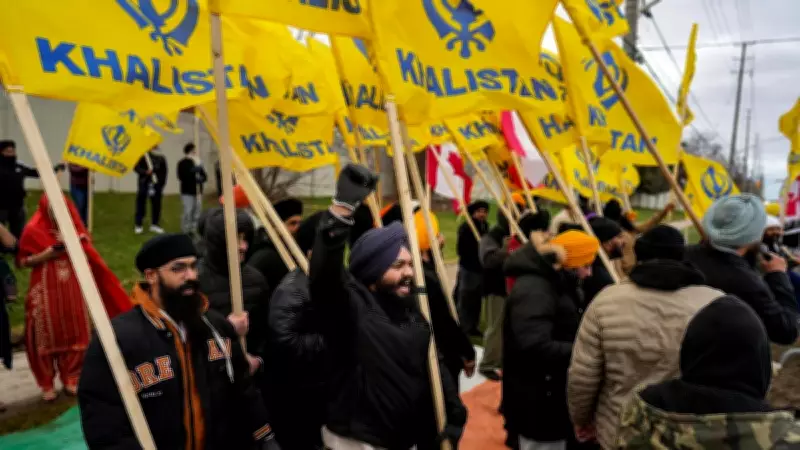
Canada has officially declared Khalistan extremists as a national security threat, marking a significant escalation in its approach to separatist activities within its borders. The designation, announced by the Canadian government, aims to curb the influence of extremist elements advocating for a separate Sikh state, known as Khalistan, in India.
Background and Implications
The move comes amid growing concerns over foreign interference and domestic radicalization. Canadian authorities have noted an increase in activities linked to Khalistan supporters, including protests, fundraising, and alleged plots against Indian diplomats. By classifying these extremists as a national security threat, Canada can now employ stricter surveillance, travel bans, and financial restrictions against individuals and groups involved.
Diplomatic Repercussions
This decision is expected to impact Canada-India relations, which have been strained over the issue of Sikh separatism. India has long urged Canada to take stronger action against Khalistan sympathizers, who are often vocal in the Sikh diaspora. The new designation may be seen as a step toward addressing India's concerns, though some Canadian Sikh groups have criticized it as an infringement on free speech.

Legal and Security Measures
Under the new policy, Canadian security agencies will have enhanced powers to monitor and disrupt activities that threaten national security. This includes the ability to detain individuals deemed a threat, restrict their movement, and freeze assets. The government has also pledged to work with international partners to counter the spread of extremist ideologies.
Experts suggest that the classification could lead to increased tensions within Canada's Sikh community, which is divided on the issue of Khalistan. While many Sikhs advocate for peaceful dialogue, a vocal minority supports the separatist cause. The Canadian government has emphasized that the measures target only those involved in violence or illegal activities, not the broader Sikh community.
Reactions and Future Outlook
Indian officials have welcomed the decision, describing it as a positive step in combating terrorism. Meanwhile, human rights organizations have called for transparency to ensure that the measures do not violate civil liberties. The long-term impact of this policy will depend on its implementation and the response from various stakeholders.