

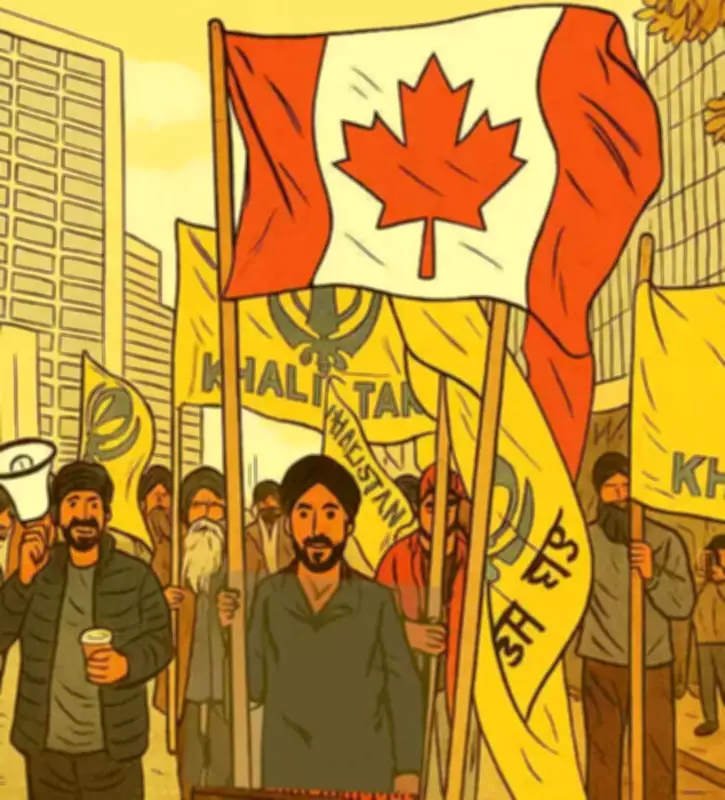
For over two years, the relationship between India and Canada has been dominated by the deeply contentious issue of Khalistan. What began in September 2023 as a diplomatic standoff over the killing of Khalistani separatist Hardeep Singh Nijjar in Canada quickly escalated into one of the most serious diplomatic crises the two countries have faced in decades.
CSIS Report Brings New Acknowledgment
Now, the issue has returned to the spotlight following a new report by the Canadian Security Intelligence Service (CSIS). This time, however, the report includes an acknowledgment that India has long pressed Ottawa to make publicly — that Canada-based Khalistani extremist groups themselves constitute a security concern for the North American nation.
Implications for Bilateral Ties
The report marks a significant shift in Canada's public stance, as it validates India's persistent concerns about the activities of Khalistani extremists operating on Canadian soil. For years, New Delhi has alleged that these groups pose a threat not only to India's sovereignty but also to Canada's own security. The CSIS report now lends official weight to these claims.

This development could potentially ease some of the tension in India-Canada relations, which have been strained since the Nijjar incident. However, it remains to be seen whether this acknowledgment will lead to concrete actions against the extremist elements or if it is merely a rhetorical shift.
Background of the Crisis
The diplomatic rift began when Canadian Prime Minister Justin Trudeau publicly accused Indian agents of involvement in Nijjar's killing, a charge India vehemently denied. The ensuing row led to expulsions of diplomats and a freeze in high-level political engagements. India consistently maintained that Canada was harboring individuals and groups advocating for Khalistan, a separate Sikh state, and that these elements threatened bilateral security.
The CSIS report's recognition of the threat could provide a basis for renewed cooperation on counterterrorism and intelligence sharing. However, experts caution that the path to normalizing ties remains fraught, as trust has been severely eroded.






