Churchill-India Controversy Erupts Over London Gallery Video Installation
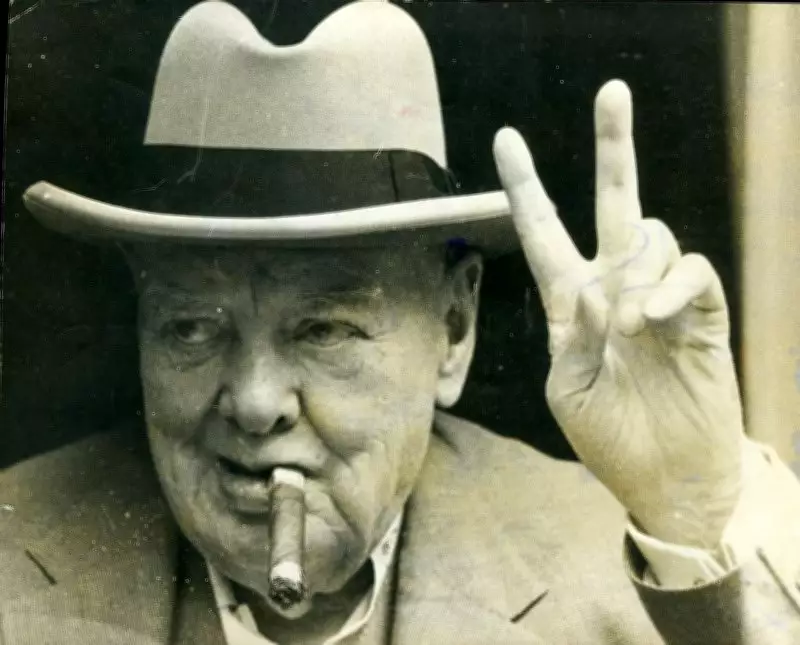
A fresh dispute over Winston Churchill’s legacy has erupted in Britain after a video installation at London’s National Portrait Gallery accused the wartime Prime Minister of the “wilful starvation” of Indians during the Bengal famine of 1943.
The controversy centres on “Persistence”, a film by Turner Prize-winning artist Helen Cammock that is currently on display at the gallery. In the film, Cammock compares Churchill’s role during the Bengal famine to Oliver Cromwell’s campaigns in Ireland, drawing sharp criticism from Churchill’s admirers and historians.
The Bengal famine, which occurred in 1943 while Churchill was Prime Minister, resulted in the deaths of an estimated 2 to 3 million people in British-ruled India. Critics have long argued that Churchill’s policies, including the diversion of food supplies to British troops and stockpiles, exacerbated the crisis. Supporters, however, contend that the famine was primarily caused by wartime disruptions and weather conditions.

Cammock’s installation has reignited debate over Churchill’s complex legacy, particularly regarding his views on race and empire. The National Portrait Gallery has defended the film as part of a broader exploration of historical memory and power.
The controversy highlights ongoing tensions in Britain over how to remember colonial figures, with some calling for a more critical examination of their actions while others insist on preserving their heroic status.