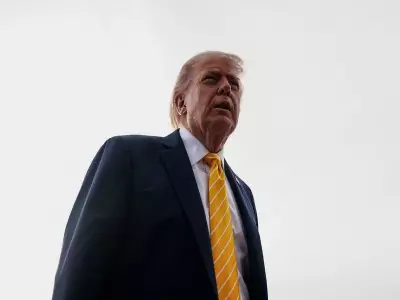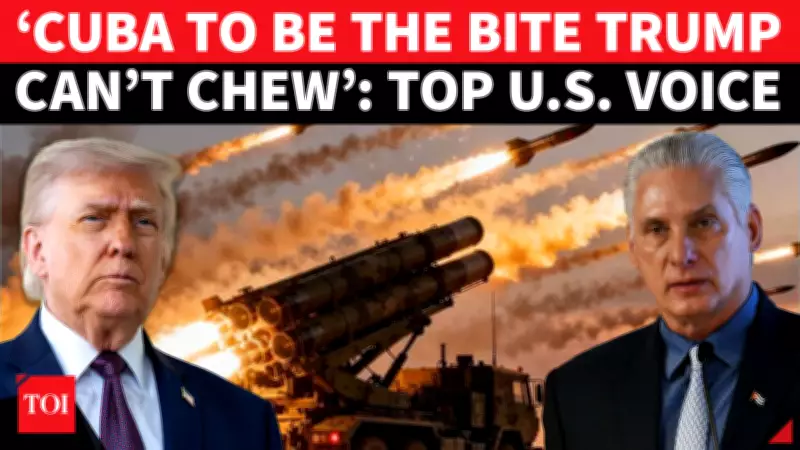
Speculation over a possible escalation between the United States and Cuba is growing after senior US officials renewed pressure on the island nation. Critics argue that recent moves by the Trump administration, including fresh accusations against Cuban leaders, resemble the political groundwork used in past interventions. Some analysts believe the White House is searching for a major foreign policy win after challenges elsewhere, while others warn that any aggressive move against Cuba could prove politically and strategically risky. The debate comes as tensions between the two countries continue to rise.
Background of Renewed Tensions
The Trump administration has intensified its rhetoric against Cuba, with officials levelling new allegations against the Cuban government. These actions have drawn comparisons to the lead-up to previous US interventions abroad, sparking fears of a potential military or economic crackdown. The renewed focus on Cuba follows ongoing challenges in US foreign policy, including tensions with Iran and other global hotspots.
Analysts Divided on Potential Outcomes
Experts are split on the implications of a tougher US stance toward Cuba. Some suggest that President Trump may be seeking a decisive foreign policy victory to bolster his domestic standing, particularly after setbacks in other regions. However, others caution that a confrontation with Cuba could backfire, alienating allies and destabilising the region. The strategic risks are significant, given Cuba's historical resilience and the potential for a prolonged conflict.

The situation remains fluid, with both sides showing little sign of de-escalation. As diplomatic channels strain, the international community watches closely for any provocative moves that could tip the balance toward open confrontation.