

Drone Warfare Resumes as Orthodox Truce Between Russia and Ukraine Expires
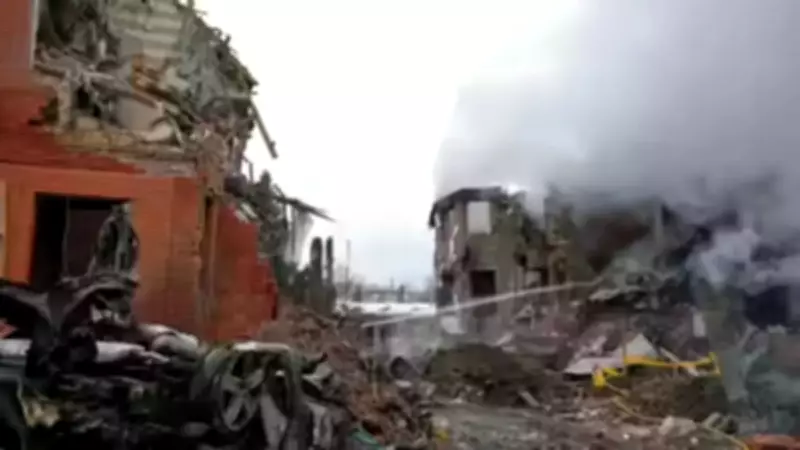
The fragile Orthodox ceasefire between Russia and Ukraine has officially ended, with both nations resuming drone strikes late Monday night. The temporary 32-hour truce, which began on Saturday afternoon and lasted through Sunday, failed to bring lasting peace as both sides immediately accused each other of violations even during the supposed pause in hostilities.
Massive Drone Attacks Reported by Both Sides
Ukrainian military officials reported that Russia launched an overnight barrage of 98 drones against Ukrainian territory, with their air defense systems successfully neutralizing 87 of these aerial threats. Meanwhile, Russia's defense ministry claimed to have intercepted and destroyed 33 Ukrainian aircraft-type unmanned aerial vehicles across multiple regions.
According to Moscow's statement, these interceptions occurred in several Russian regions including Belgorod, Kursk, Rostov, Bryansk, Smolensk, and the annexed Crimean peninsula. The scale of these reported attacks suggests that both nations were prepared to resume hostilities immediately following the truce expiration.

Contradictory Claims About Ceasefire Violations
The temporary Orthodox truce, announced jointly by Russian President Vladimir Putin and Ukrainian President Volodymyr Zelenskyy, was intended to provide a brief respite from the ongoing conflict. However, both sides presented dramatically different accounts of what actually occurred during the ceasefire period.
Ukrainian officials acknowledged that no missile strikes, air strikes, or attack drone strikes of the Shahed/Gerbera type were recorded during the declared ceasefire. However, Kyiv accused Russian forces of committing over 10,000 violations during the truce, primarily involving frontline clashes, artillery shelling, and FPV drone attacks along contested battle lines.
In stark contrast, Russia's defense ministry alleged that Ukraine breached the ceasefire approximately 2,000 times, though they provided fewer specific details about the nature of these alleged violations.
Limited Impact of Temporary Ceasefire
This brief pause in fighting, similar to previous ceasefire attempts last year, failed to bring a complete halt to hostilities. Instead, it resulted in only a temporary and partial reduction in violence, with significant military activity continuing despite the announced truce.
The Orthodox ceasefire, which began at 4:00 pm (13:00 GMT) on Saturday and lasted until the end of Sunday, April 12, represents another failed attempt at creating meaningful humanitarian pauses in the ongoing conflict. The immediate resumption of drone warfare following the truce expiration underscores the deep mistrust between the warring nations and the challenges facing any future ceasefire negotiations.
As both sides continue to exchange accusations about who violated the truce first, the resumption of drone attacks signals a return to the established pattern of aerial warfare that has characterized much of this prolonged conflict. The limited scope of the pause in hostilities suggests that neither side was willing to significantly reduce military pressure during the brief Orthodox observance period.






