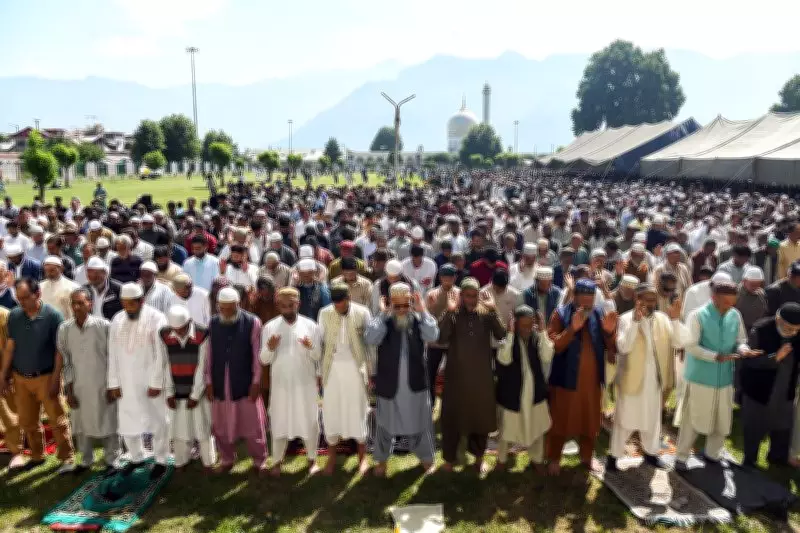
For the eighth consecutive year, authorities in Jammu and Kashmir have disallowed Eid prayers at the historic Jama Masjid in Srinagar. The decision was taken citing security concerns, as per officials. The move has sparked disappointment among the local Muslim community, who consider the mosque a significant religious site.
Background of the Ban
The ban on Eid prayers at Jama Masjid was first imposed in 2016 following heightened security concerns in the region. Since then, the practice has continued annually, with authorities citing the need to maintain law and order. The mosque, located in the heart of Srinagar's old city, has historically been a focal point for large congregations during Islamic festivals.
Reactions from the Community
Local residents expressed frustration over the continued restrictions. "It is disheartening that we cannot offer prayers at our historic mosque for eight years now," said a local shopkeeper. Community leaders have urged the administration to review the decision, emphasizing the religious significance of the site. However, officials maintain that the ban is necessary to prevent any untoward incidents.

Security Measures
Authorities have deployed additional security forces in the vicinity of the mosque to ensure peace during Eid. Alternate arrangements have been made for worshippers at other mosques and designated prayer grounds. The administration has urged people to cooperate and maintain communal harmony.
Historical Significance
Jama Masjid in Srinagar is one of the oldest and largest mosques in Kashmir, built in the 14th century. It holds immense religious and cultural importance for the region's Muslims. The mosque's architecture reflects a blend of Islamic and Kashmiri styles, attracting tourists and pilgrims alike.
Conclusion
The continued denial of Eid prayers at Jama Masjid highlights the ongoing security challenges in Jammu and Kashmir. While authorities prioritize safety, the emotional and spiritual needs of the community remain unmet. The situation underscores the delicate balance between security and religious freedom in the region.