

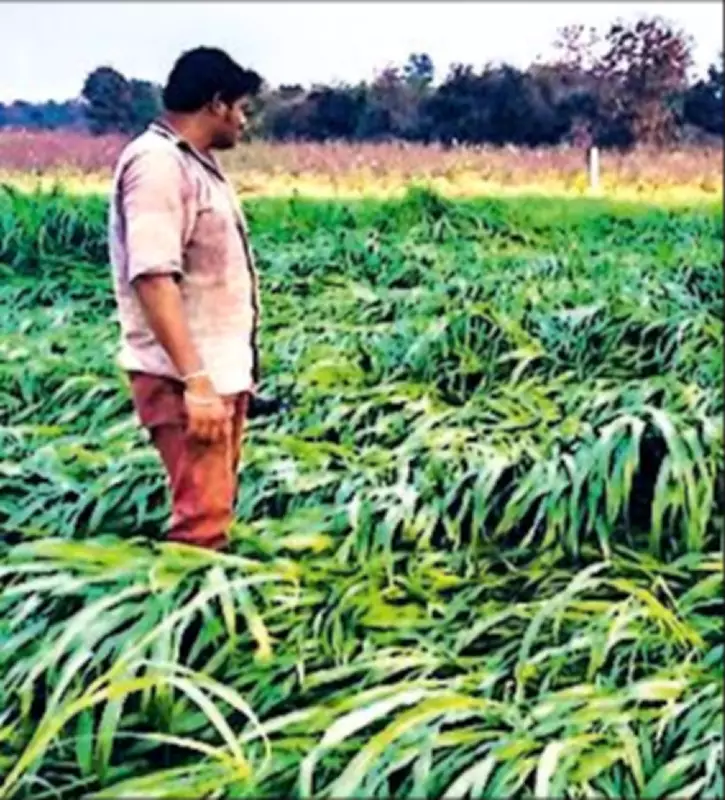
NEW DELHI: A total of 10,546 individuals engaged in the farming sector died by suicide in 2024, comprising 4,633 farmers and cultivators alongside 5,913 agricultural labourers. This figure accounts for 6.2% of the overall suicide victims in the country, which stood at 1,70,746, according to the latest report from the National Crime Records Bureau (NCRB).
Declining Trend in Farm Suicides
The number of such suicides witnessed a decline of more than 2% in 2024 compared to the previous year, marking the second consecutive year of reduction. In 2023, the count had fallen by over 4% relative to 2022. This downward trend is noteworthy, though the absolute numbers remain high.
State-wise Breakdown
Maharashtra continues to report the highest number of farm sector suicides at 3,824, followed by Karnataka with 2,971, Madhya Pradesh at 835, Andhra Pradesh with 780, and Tamil Nadu recording 503 cases. These five states collectively account for a significant portion of the national tally.

Context and Clarifications
According to the 2011 Census, agriculture employed approximately 26 crore people, nearly 55% of India's workforce. Among them, about 12 crore were cultivators and 14 crore were agricultural labourers. The NCRB has clarified that the data reflects only the profession of the deceased and does not establish any direct causal link to the act of suicide.
However, the high numbers in states like Maharashtra, Karnataka, and Andhra Pradesh coincide with regions where farmers predominantly cultivate cash crops such as cotton and sugarcane. Crop failures or low yields often push distressed farmers towards moneylenders to meet cash needs, with some resorting to extreme measures.
Possible Reasons for Decline
The marginal decline in suicide numbers could be attributed to the increasing footprint of crop insurance schemes, affordable farm loans, and income support programs. These initiatives may be providing a safety net for vulnerable farmers, though challenges persist.
About the Author
Vishwa Mohan is Senior Editor at The Times of India, covering environment, climate change, agriculture, water resources, and clean energy. He tracks policy issues and climate diplomacy, and has been covering Parliament since 2003.






