

Five Potential Endgames for the Iran Conflict: A Detailed Analysis
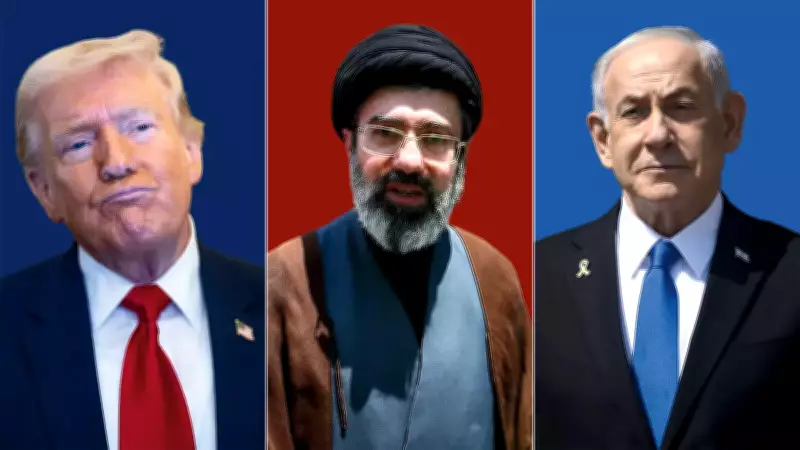
In recent developments, the war initiated with Iran has entered a critical phase with no definitive conclusion in sight. Over the past few days, former President Donald Trump has emphasized that there are "no time limits" on this military engagement, signaling a prolonged and open-ended commitment. This statement has intensified global concerns about the conflict's duration and potential escalation.
Iran's Strategy of Endurance and Resilience
Meanwhile, Iran's leadership is actively working to project an image of unwavering resilience and fortitude. They aim to convey a clear message to the international community and their domestic population: Iran can withstand the ongoing attacks and military pressure. This strategy is rooted in the hope that the United States' attention span and political will may prove short-lived, potentially leading to a withdrawal or de-escalation as domestic and international pressures mount.
Israel's Firm Stance on Regime Change
Adding another layer of complexity, Israeli leadership has expressed a firm and unwavering commitment to achieving a fundamental change in the Iranian regime. This objective is pursued even if it risks precipitating the collapse of the Iranian state itself. Israel's stance underscores the high stakes involved, as regional stability hangs in the balance amid these aggressive postures.

Analyzing the Five Possible Outcomes
Given these dynamics, experts have identified five primary ways this conflict could potentially conclude:
- Negotiated Settlement: A diplomatic resolution facilitated by international mediators, leading to a ceasefire and renewed talks on nuclear and regional issues.
- Military Stalemate: A prolonged conflict with neither side achieving decisive victory, resulting in a frozen conflict or low-intensity warfare.
- Regime Change in Iran: Successful efforts by Israel and allies to overthrow the current Iranian government, though this risks state collapse and regional chaos.
- US Withdrawal: A scenario where domestic political shifts or war fatigue lead the United States to disengage, leaving regional powers to manage the aftermath.
- Regional Escalation: The conflict expands to involve other Middle Eastern nations, potentially triggering a broader war with global implications.
Each of these endgames carries significant risks and uncertainties. The absence of time limits, as highlighted by Trump, suggests that the conflict may evolve unpredictably, influenced by military developments, diplomatic maneuvers, and shifting political landscapes in the involved nations.
As tensions persist, the international community watches closely, aware that the path to resolution remains fraught with challenges and that the final outcome could reshape Middle Eastern geopolitics for decades to come.






