Hantavirus Outbreak on Cruise Ship Raises Alarm
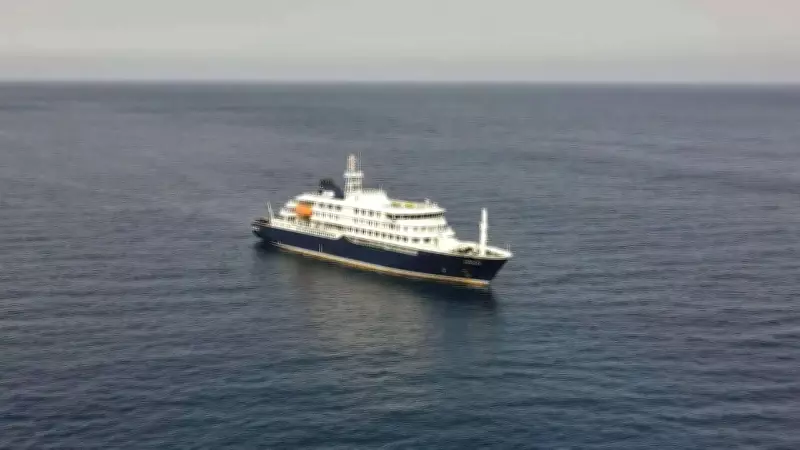
A deadly outbreak of Hantavirus on a luxury cruise ship has sparked global concern after three passengers died and several others fell ill. The vessel, carrying approximately 150 people, remains stranded off the coast of West Africa as health authorities closely monitor the situation.
What Is Hantavirus?
Hantaviruses are a family of viruses carried by rodents such as rats and mice. Humans become infected through contact with rodent urine, droppings, or saliva. While the virus does not harm rodents, it can cause severe illness in humans.
How Does It Spread?
The most common route of infection is airborne. When rodent waste is disturbed—for example, during cleaning—virus particles can become aerosolized and inhaled. Human-to-human transmission is extremely rare, with the Andes strain found in South America being the only known variant that can spread through close, prolonged contact. This strain is suspected in the cruise outbreak, but this has not been confirmed.

Types and Symptoms
Hantaviruses vary by region. Some cause lung-related illness, while others affect the kidneys and blood vessels. Symptoms typically appear one to eight weeks after exposure and include fever, muscle aches, and stomach issues, often mistaken for a common flu.
In the Americas, hantavirus can lead to Hantavirus Pulmonary Syndrome (HPS), where fluid fills the lungs, causing rapid deterioration and potential death. The World Health Organization reports that the fatality rate for severe lung infections can reach up to 50%. In contrast, strains in Europe and Asia are less deadly, with fatality rates between 1% and 15%.
Treatment and Prevention
There is no specific vaccine or antiviral treatment for hantavirus. Care is supportive, focusing on rest, fluids, and in severe cases, oxygen therapy or mechanical ventilation. Prevention is key: avoiding contact with rodents, maintaining clean surroundings, and safely handling rodent-infested areas reduce risk. During outbreaks, contact tracing helps identify and monitor exposed individuals early.
The Cruise Ship Crisis
The outbreak has created a tense situation onboard. Passenger Jake Rosmarin shared glimpses of the unfolding crisis online. "For those who have seen recent news, yes, I am currently onboard the M/V Hondius," he told Reuters, adding that he did not wish to say more out of respect for those involved. As the ship remained stranded, his tone changed: "What's happening right now is very real for all of us. We're not just headlines. We're people with families, with lives, with people waiting for us at home. All we want is to feel safe and to get home."
Authorities in South Africa and Cape Verde have reassured the public that there is no immediate risk on land, noting that since the ship remains offshore, there is currently no risk to the population on land.
Why Experts Are Watching Closely
This outbreak is unusual because it occurred in a confined setting like a cruise ship, raising questions about whether limited human-to-human transmission may have occurred. Investigations are ongoing. While cases have been rising in parts of South America, global outbreaks remain rare. This incident highlights how quickly infections can escalate in close environments and underscores the importance of early detection and containment.