

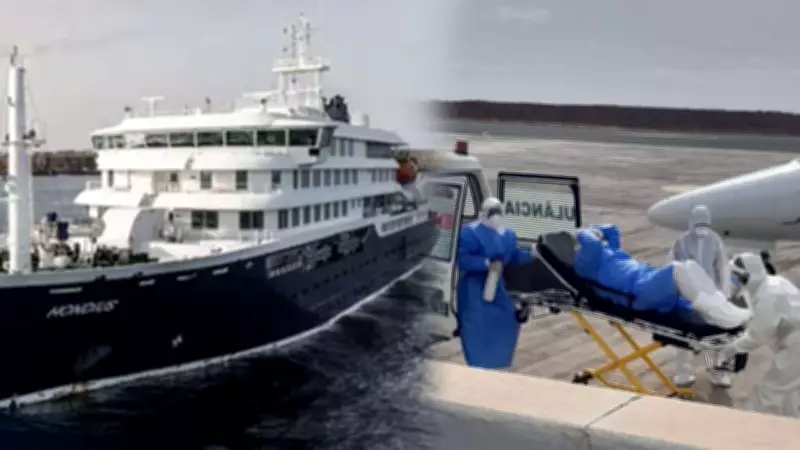
A deadly hantavirus outbreak aboard the MV Hondius expedition cruise ship has resulted in three passenger fatalities and multiple infections, prompting a coordinated global health response. Among those onboard are two Indian crew members, as authorities closely monitor the rare Andes strain of the virus, which is capable of limited human-to-human transmission.
Global Health Response Underway
The World Health Organization (WHO), along with European health agencies and several national governments, is now tracking passengers and contacts linked to the ship. The outbreak has raised concerns due to the virus's potential for spread beyond the initial cluster.
Andes Strain Raises Alarm
The Andes strain of hantavirus is particularly concerning because it can be transmitted from person to person, unlike most other hantaviruses that are primarily spread through rodent droppings. This characteristic has heightened the urgency of containment efforts.

The MV Hondius, a luxury expedition vessel, had been cruising in remote waters before the outbreak was detected. Health officials are working to trace all individuals who may have been exposed, including crew members who are now under medical observation.
Authorities have not yet confirmed the nationalities of the deceased, but the presence of Indian crew members has drawn attention in India. The Indian government is reportedly in contact with international health agencies to ensure the safety of its citizens.
The outbreak serves as a stark reminder of the risks posed by zoonotic diseases in travel and tourism settings. Health experts emphasize the importance of rapid detection and isolation to prevent wider transmission.






