

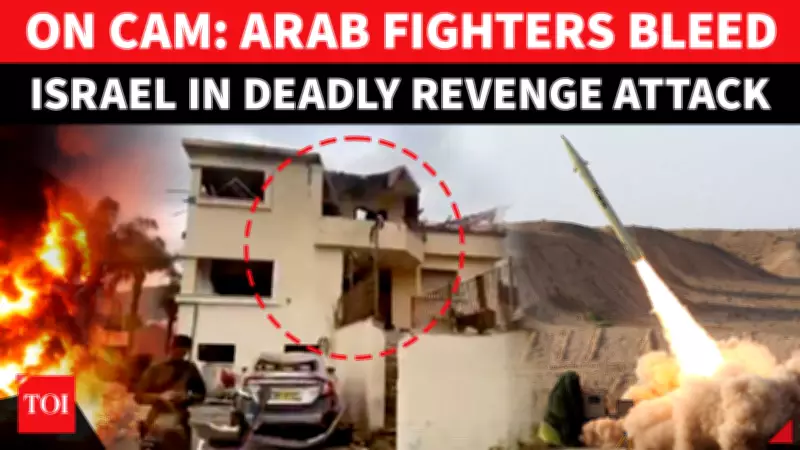
Hezbollah Retaliates With Heavy Rocket Barrage After Israeli Strike Kills Senior Commander
In a significant escalation of hostilities, the Lebanese militant group Hezbollah unleashed a fierce rocket assault on northern Israel on April 1, 2026, targeting the city of Kiryat Shmona. The attack prompted widespread alarm as warning sirens blared across the region, forcing Israeli civilians to scramble for shelter amidst the aerial bombardment.
Extensive Damage Reported in Kiryat Shmona
Israeli media sources have confirmed that the rocket fire, attributed to Hezbollah—an Iranian-backed ally—resulted in substantial destruction within Kiryat Shmona. Preliminary reports indicate that multiple rockets struck the city, causing significant property damage and disrupting daily life. The assault marks one of the most intense barrages from Hezbollah in recent months, highlighting the volatile security situation along Israel's northern border.
Israeli Navy Claims Killing of Hezbollah Commander
The rocket attack came in direct response to an overnight military operation by the Israeli Defense Forces (IDF). According to an official statement from the Israeli military, the Navy successfully targeted and killed Haj Youssef Ismail Hashem, a high-ranking commander of Hezbollah's southern front. Hashem was a key figure in Hezbollah's operations against Israel, and his elimination represents a major blow to the group's military capabilities in the region.

This targeted strike is part of Israel's ongoing efforts to neutralize threats from Hezbollah, which has been engaged in sporadic clashes with Israeli forces. The killing of such a senior commander is expected to have significant repercussions, potentially leading to further retaliatory actions from Hezbollah and escalating tensions in the area.
Regional Implications and Broader Conflict
The exchange of attacks underscores the deepening conflict between Israel and Hezbollah, with both sides demonstrating a willingness to engage in high-stakes military confrontations. Hezbollah's use of rockets, described by some observers as a "hellfire" barrage, aims to pressure Israel and retaliate for the loss of its commander. Meanwhile, Israel's proactive military stance reflects its commitment to defending its borders and preempting threats from hostile actors.
The situation remains fluid, with analysts warning that such incidents could spiral into a larger regional conflict, especially given Hezbollah's ties to Iran and other militant groups in the Middle East. The international community is closely monitoring developments, as any further escalation could have widespread implications for stability in the region.
As of now, there have been no immediate reports of casualties from the rocket attack in Kiryat Shmona, but the psychological impact on residents is profound. The IDF has heightened its alert status in northern Israel, anticipating possible future attacks from Hezbollah in retaliation for the commander's death.






