

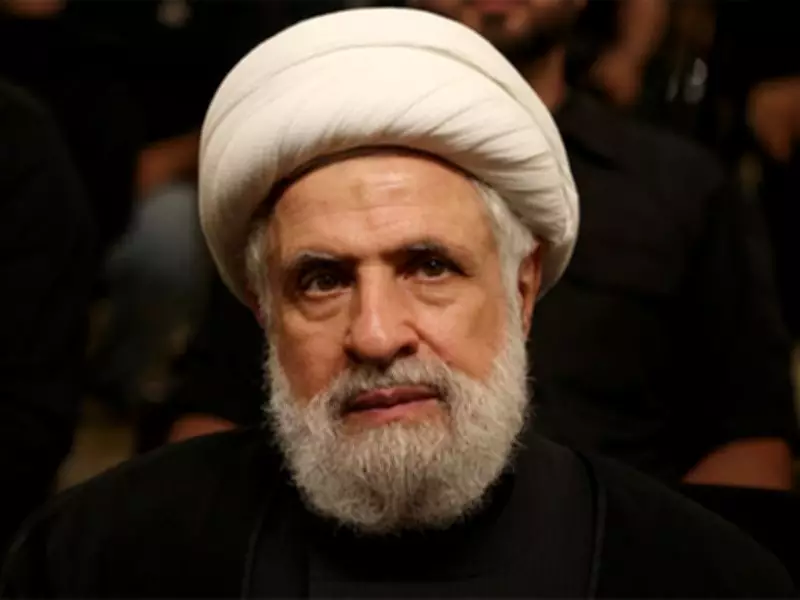
Hezbollah Issues Warning to Israel Over Ceasefire Terms
In a recent statement, the Lebanese militant group Hezbollah has issued a stern warning to Israel, emphasizing that any potential truce between the two sides must be mutual and not imposed unilaterally. This declaration comes amid escalating tensions along the Israel-Lebanon border, where cross-border exchanges of fire have intensified in recent months. Hezbollah's leadership has made it clear that they will not accept a ceasefire that does not address their demands and concerns, highlighting the need for reciprocal agreements to ensure lasting peace in the region.
Criticism of US-Led Diplomatic Efforts
Hezbollah has also strongly criticized diplomatic initiatives led by the United States, labeling them as an insult to Lebanon's sovereignty and national dignity. The group argues that these efforts, which aim to mediate the conflict, often overlook Lebanon's interests and fail to consider the broader geopolitical context. According to Hezbollah, such diplomatic moves are perceived as biased and dismissive of Lebanon's right to self-determination, further complicating the path to a resolution.
Background of the Conflict
The tensions between Hezbollah and Israel have deep historical roots, with periodic flare-ups threatening regional stability. Hezbollah, backed by Iran, has been a key player in Lebanese politics and military affairs, often clashing with Israel over territorial disputes and ideological differences. The current situation has been exacerbated by recent military actions, including rocket attacks and airstrikes, which have raised fears of a broader conflict. International observers have expressed concern over the potential for escalation, urging both sides to exercise restraint and engage in dialogue.

Implications for Regional Stability
The warning from Hezbollah underscores the fragile nature of the Middle East's security landscape. A mutual ceasefire, as demanded by the group, could pave the way for de-escalation, but the criticism of US diplomacy suggests that external mediation efforts may face significant hurdles. Lebanon, already grappling with internal political and economic crises, risks being further destabilized by prolonged hostilities. The international community is closely monitoring the situation, with calls for inclusive negotiations that respect all parties' interests.
Future Prospects and Challenges
Moving forward, achieving a sustainable truce will require addressing Hezbollah's core grievances, such as territorial integrity and political recognition, while also considering Israel's security concerns. The role of international actors, including the United States, will be crucial in facilitating talks, but Hezbollah's stance indicates that any diplomatic approach must be balanced and respectful of Lebanese sovereignty. As tensions persist, the need for a comprehensive and mutually acceptable agreement becomes increasingly urgent to prevent further violence and promote regional peace.






