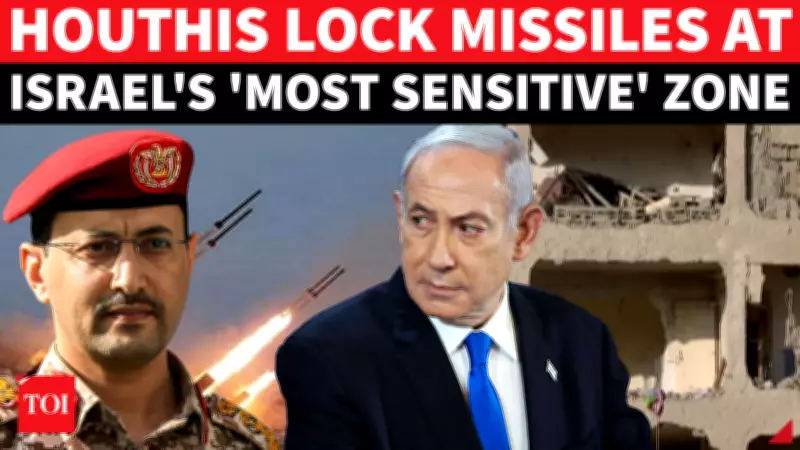
Houthi Missiles Trigger Nuclear Zone Alert in Israel, Panic Erupts in Dimona
In a dramatic escalation of regional tensions, Israel declared a "red alert" at its Dimona facility on March 30th, 2026, following threats of missile attacks from Yemen-based Houthi rebels. The alert, which sparked widespread panic and mass alarms in the area, underscores the growing volatility in the Middle East as conflicts spill over into new fronts.
Nuclear Hub on High Alert
Dimona, often referred to as Israel's nuclear hub due to its association with the country's secretive nuclear program, became the focal point of emergency measures. The Israeli authorities activated the alert system in response to intelligence indicating potential missile strikes from Houthi forces, who have been engaged in a prolonged conflict in Yemen and have recently expanded their targeting to include Israeli interests.
The decision to issue the red alert was driven by heightened fears of an imminent attack, with residents and workers in Dimona urged to take immediate shelter. This move highlights the strategic significance of the site and the serious nature of the threat perceived by Israeli defense officials.

Context of Iranian Strikes and Regional Unrest
This alert comes just one day after reports emerged of an Iranian missile striking an industrial facility near Israel's most secretive locations. According to earlier coverage by NDTV, the attack targeted infrastructure in close proximity to sensitive Israeli sites, raising alarms about Iran's expanding military reach and its willingness to engage directly or through proxies.
The Houthi rebels, who are backed by Iran, have previously launched missiles and drones at various targets in the region, including Saudi Arabia and the United Arab Emirates. Their recent focus on Israel marks a significant shift in the conflict dynamics, potentially opening a new front in the already complex web of Middle Eastern hostilities.
Implications for Regional Security
The incident at Dimona has far-reaching implications for regional security and international diplomacy. It underscores the fragility of peace in the area and the potential for miscalculations to lead to broader confrontations. The involvement of Houthi forces adds another layer of complexity, as non-state actors with advanced missile capabilities pose unique challenges to traditional defense strategies.
Moreover, this event follows a series of related incidents, including Iranian strikes on U.S. bases, drone scares near political figures, and attacks on military camps in allied nations. These developments collectively point to a region on the brink, with multiple actors testing boundaries and escalating tensions.
Public Reaction and Emergency Measures
In Dimona, the red alert triggered mass panic among residents, with emergency sirens blaring and people scrambling for safety. Local authorities have implemented contingency plans, including the activation of civil defense protocols and the dissemination of safety instructions through various media channels.
The psychological impact of such alerts cannot be understated, as they contribute to a climate of fear and uncertainty. This is particularly true in areas like Dimona, where the presence of sensitive facilities makes them potential targets in any conflict scenario.
As the situation unfolds, international observers are closely monitoring developments, with calls for de-escalation and diplomatic interventions to prevent further deterioration. The targeting of nuclear-associated zones raises stakes significantly, highlighting the need for robust crisis management and conflict resolution mechanisms in the region.