

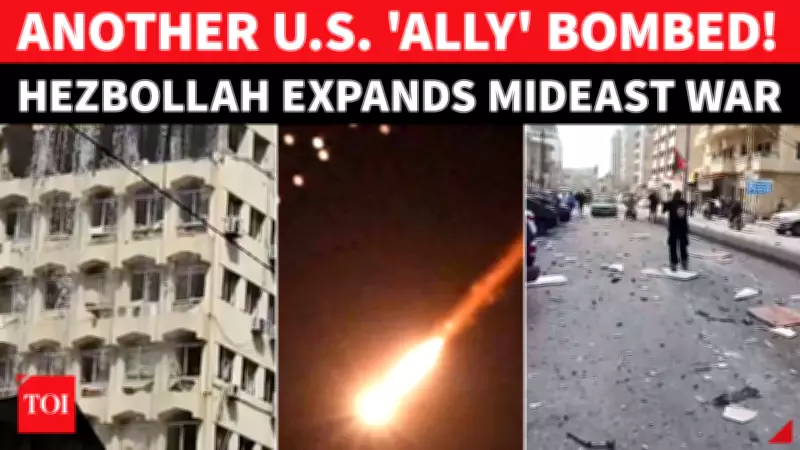
Iran-Backed Fighters Shell Syrian Army Positions Near Damascus, Escalating Regional Tensions
In a significant escalation of hostilities in the Middle East, Syria's military has reported that artillery shells fired from Lebanon landed near the town of Saraghaya, located west of Damascus. The Syrian government has directly accused the Iran-backed militant group Hezbollah of targeting its army positions in this latest incident.
Syria Accuses Hezbollah and Warns of Potential Response
Damascus officials stated that they have detected Hezbollah reinforcements along the volatile Syrian-Lebanese border and are closely monitoring the developing situation. The Syrian army issued a stern warning, indicating it could respond militarily to any further attacks on its sovereign territory. Syria emphasized it is coordinating with the Lebanese army to address the border tensions, though details of this cooperation remain unclear amid the ongoing conflict.
Israeli Strikes Continue in Southern Lebanon
Meanwhile, Israeli airstrikes and artillery fire continued unabated across southern Lebanon, targeting areas in the Tyre, Nabatieh, and Bint Jbeil districts. These strikes are part of a broader pattern of cross-border exchanges that have intensified regional instability. The simultaneous attacks from multiple fronts have created a complex and dangerous security environment.

Syrian President Warns of Existential Threat
Syrian President Ahmed al-Shara issued a grave warning, stating that the escalating crisis poses an existential threat not only to Syria but to the entire Middle East region. His remarks underscore the high stakes involved, as proxy conflicts and direct military engagements risk spiraling into a wider war. The involvement of Iran-aligned forces like Hezbollah adds a layer of geopolitical complexity, with implications for international relations and global security.
Broader Context of Regional Conflict
This incident occurs against a backdrop of heightened tensions between Iran, its proxies, and regional adversaries including Israel and the United States. Recent reports have highlighted other flashpoints, such as attacks on military bases in the Gulf and missile strikes in Israel, suggesting a coordinated or parallel escalation by Iran-backed groups. The situation remains fluid, with diplomatic efforts struggling to keep pace with military developments.
The international community is closely watching as these events unfold, fearing a potential broader conflagration that could destabilize the Middle East further.






