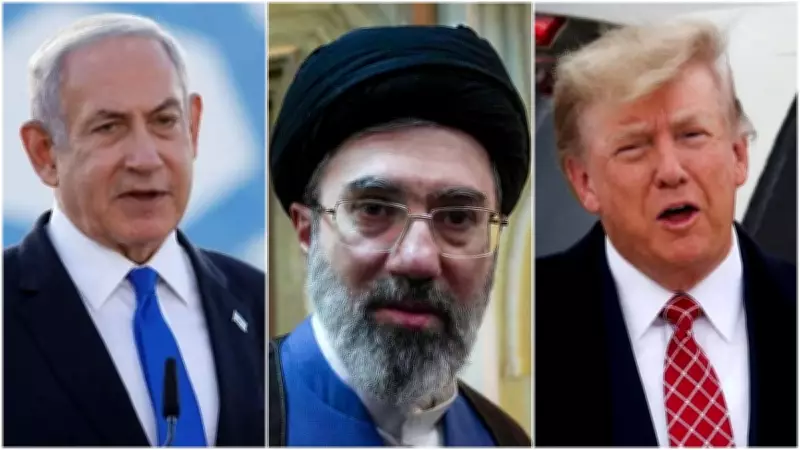
Iran has reportedly proposed a controversial bill offering a $58 million bounty for the assassination of former U.S. President Donald Trump and Israeli Prime Minister Benjamin Netanyahu. The bill, titled 'Reciprocal action by military and security forces of the Islamic Republic,' was introduced in the Iranian parliament and has drawn international attention.
Details of the Bill
The proposed legislation seeks to authorize the country's military and security forces to take retaliatory measures against the two leaders. According to reports, the bounty is set at $58 million, a figure that appears to reference the year 1958, when Iran's last monarch, Mohammad Reza Pahlavi, was in power. The bill is seen as a direct response to the U.S. drone strike that killed Iranian General Qasem Soleimani in 2020 and the ongoing tensions between Iran and Israel.
Reactions and Implications
The bill has sparked widespread condemnation from Western nations, with officials calling it a violation of international law. The United States and Israel have yet to issue official statements, but security measures around both leaders are expected to be heightened. Analysts warn that such legislation could further destabilize the Middle East and escalate conflicts in the region. Iran has not confirmed the bill's passage into law, but its introduction alone marks a significant escalation in rhetoric.

The proposal comes amid heightened tensions following recent incidents, including attacks on Iranian nuclear facilities and alleged Israeli involvement in the assassination of Iranian scientists. The bill's title emphasizes 'reciprocal action,' suggesting it is framed as a defensive measure. However, critics argue it amounts to state-sponsored terrorism.
Broader Context
Iran and Israel have been engaged in a shadow war for years, with cyberattacks, assassinations, and proxy conflicts. The United States under Trump withdrew from the Iran nuclear deal in 2018, leading to increased sanctions and Iranian retaliation. This bill, if enacted, could mark a dangerous new chapter in these confrontations. The international community, including the United Nations, has called for restraint and dialogue to prevent further escalation.