

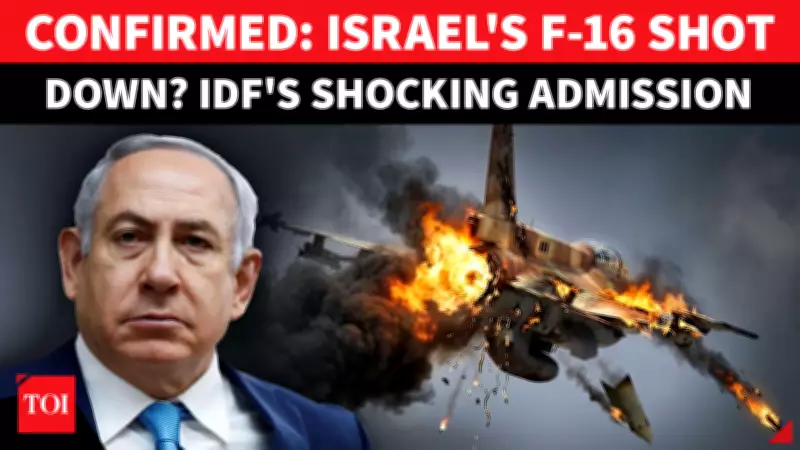
Iran Claims Successful Strike on Israeli F-16 Jet in Retaliation for Natanz Incident
In a dramatic escalation of the ongoing shadow conflict between the two Middle Eastern powers, Iran has claimed it struck an Israeli F-16 fighter jet over central Iranian airspace on Saturday. Iranian authorities described the incident as a successful missile hit, framing it as a direct act of revenge for previous attacks, including those linked to the Natanz nuclear facility.
IDF Responds: Aircraft Undamaged and Mission Completed
The Israeli Air Force has confirmed that a surface-to-air missile was launched toward one of its fighter jets during an operational mission. However, Israeli officials strongly disputed Iran's claim of a successful strike. They insisted the aircraft was not damaged and safely completed its mission, adding that similar attempts by Iran have been made in the past and were successfully countered by Israeli defense systems.
This exchange marks a significant and dangerous uptick in hostilities, moving beyond proxy engagements and cyber warfare into direct aerial confrontations. The Iranian claim, if substantiated, would represent one of the most brazen military actions taken by Tehran against Israel in recent years.

Background: The Shadow War and Natanz Revenge
The incident is widely seen as part of a long-running, undeclared conflict between Iran and Israel. This shadow war has included covert operations, cyber-attacks on nuclear facilities like Natanz, assassinations of scientists, and strikes on shipping in the Persian Gulf. Iran has repeatedly vowed retaliation for what it perceives as Israeli aggression, particularly attacks targeting its nuclear program.
The claim of striking an advanced F-16 jet is a bold statement of capability and intent from Iran. It signals a willingness to engage Israeli forces directly within its own airspace, raising the stakes considerably for regional stability.
Regional and Global Implications
This event occurs amidst a complex geopolitical backdrop involving other global powers. The conflicting narratives from Tehran and Jerusalem highlight the volatility of the situation and the potential for miscalculation. Such direct military claims and counter-claims increase the risk of a broader, more open conflict that could draw in other actors in the region.
The international community is likely watching with heightened concern, as any significant military escalation between Iran and Israel has profound implications for global energy security, nuclear non-proliferation efforts, and the already fragile balance of power in the Middle East.






