

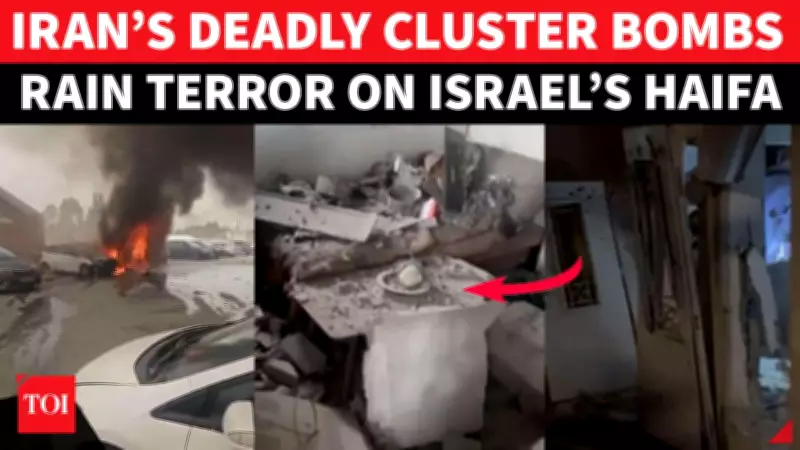
Iran Launches Major Missile Barrage on Israel with Cluster Munitions
In a significant and dangerous escalation of hostilities, Iran has unleashed a ballistic missile attack on northern Israel, specifically targeting the port city of Haifa. The assault reportedly employed cluster munition warheads, marking a severe intensification in the ongoing conflict between the two nations.
Details of the Attack and Immediate Impact
According to verified reports, multiple impact sites were recorded around Haifa, causing substantial damage to infrastructure including roads and vehicles. The use of cluster munitions, which disperse numerous bomblets over wide areas, significantly increased the threat level and potential for mass destruction. Israeli defense assessments confirm that these weapons were deployed, leading to widespread concern about civilian safety.
In the nearby town of Kiryat Ata, a 79-year-old man sustained injuries from blast debris, highlighting the direct human cost of the attack. The strike followed an eight-hour lull in hostilities, only to be renewed with force against northern and central regions of Israel.

Broader Military and Strategic Implications
Simultaneously, Israel is reportedly considering an expansion of its ground operations into southern Lebanon. This potential move underscores fears that the conflict is entering a far more destructive and widespread phase, with regional stability hanging in the balance. The combination of Iran's missile capabilities and Israel's ground force readiness points to a volatile situation that could escalate rapidly.
Key developments from the attack include:
- Use of cluster munitions in ballistic missiles, a tactic that amplifies destruction.
- Targeting of Haifa, a major economic and population center in northern Israel.
- Injuries to civilians and damage to critical infrastructure.
- Renewed strikes after a brief pause, indicating sustained offensive operations.
The international community is closely monitoring the situation, as any further escalation could have profound implications for global security and diplomacy in the Middle East.






