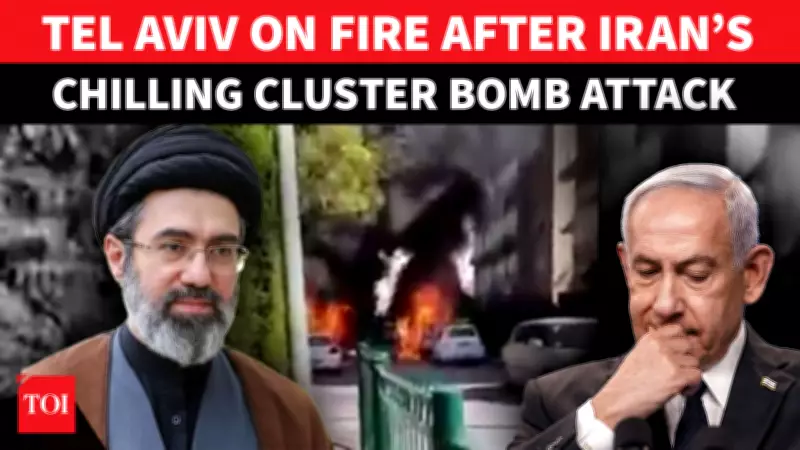
Iran's Cluster Missile Assault on Tel Aviv Intensifies Regional Tensions
In a dramatic escalation of hostilities, Iran has conducted a significant missile strike targeting Tel Aviv, utilizing advanced ballistic missiles equipped with cluster submunitions. This aggressive maneuver has ignited fresh alarms regarding the rapidly diminishing warning periods available to civilians, who reportedly had mere minutes to seek shelter before impact. The deployment of such sophisticated weaponry marks a dangerous evolution in the ongoing conflict, directly challenging regional stability and defense capabilities.
Technical Details of the Missile Attack
The assault involved ballistic missiles carrying cluster payloads, which are designed to disperse multiple bomblets over a wide area upon detonation. This technology significantly increases the geographical coverage of an attack, complicating interception efforts and overwhelming defensive systems. The use of cluster munitions in densely populated urban centers like Tel Aviv raises grave humanitarian concerns, as these weapons can cause extensive collateral damage and hinder emergency response operations.
Key aspects of the missile technology include:

- Enhanced area denial capabilities through dispersed bomblets
- Reduced effectiveness of traditional missile defense interceptors
- Increased complexity for damage assessment and rescue missions
Pressure on Israeli Air Defense Infrastructure
Israel's renowned multi-layered air defense network, including systems like Iron Dome, David's Sling, and Arrow, remains operational but is facing unprecedented strain. The sustained high-tempo launch rate from Iran is testing the absolute limits of response timelines, particularly in crowded metropolitan regions where every second counts. Repeated complex attacks featuring advanced payloads are placing immense pressure on both technological systems and human operators, potentially creating vulnerabilities that could be exploited in future engagements.
Military analysts note that while Israeli defenses have historically demonstrated high interception rates, the introduction of cluster munitions represents a tactical shift that requires rapid adaptation and potentially new countermeasures.
Iran's Expanding Operational Campaign
Simultaneously with the Tel Aviv strike, Iranian authorities have announced the commencement of the 88th wave of their campaign under Operation True Promise 4. This declaration signals a deliberate expansion of operational scope and suggests a long-term strategy of sustained military pressure. The timing of this announcement alongside the missile attack indicates a coordinated effort to demonstrate both capability and resolve in the face of international scrutiny.
The broader context includes:
- Increased frequency and sophistication of Iranian missile launches
- Strategic messaging aimed at both domestic and international audiences
- Potential testing of enemy defense systems for future operations
Regional and International Implications
This latest development occurs against a backdrop of heightened regional tensions and complex geopolitical maneuvering. The use of cluster munitions, which are controversial under international humanitarian law due to their indiscriminate nature, may prompt renewed diplomatic discussions and potential condemnation from global bodies. The shrinking warning times for civilians represent a humanitarian crisis in the making, requiring urgent attention from both military planners and humanitarian organizations.
As both nations continue to engage in this high-stakes confrontation, the international community watches closely, concerned about potential escalation and the broader implications for Middle Eastern stability. The technological arms race in missile and defense systems appears to be accelerating, with civilian populations caught in the crossfire of these advanced weaponry exchanges.