

Iran Launches 12 Missile Strikes on Israel, Triggering Widespread Panic
In a significant escalation of hostilities, Iran has fired a fresh wave of ballistic missiles at Israel, marking the 12th such attack in less than 24 hours. This retaliatory action comes after Israeli fighter jets conducted heavy strikes on Tehran, intensifying the conflict between the two nations.
Missile Barrage and Israeli Response
The Israeli military confirmed detecting another ballistic missile launch from Iran overnight on March 8, 2026. Air raid sirens blared across southern, central, and northern Israel, prompting millions of citizens to rush to bomb shelters amid scenes of chaos and panic. The Israel Defense Forces (IDF) stated that the missile was successfully intercepted, with no immediate reports of casualties or direct impacts from the latest strike.
Oil Refinery Fire and Unverified Footage
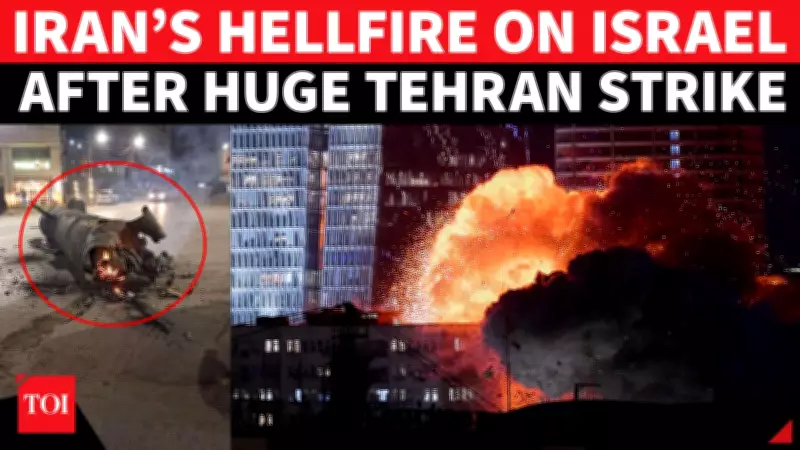
Despite official claims of interceptions, unverified footage circulating online appears to show a possible missile impact near Haifa's oil refinery. The video depicts a massive cloud of smoke billowing into the sky, suggesting the facility may have been set ablaze. This incident raises concerns about critical infrastructure damage, though authorities have not yet confirmed the refinery's status.

Context of Retaliatory Attacks
The missile launches are part of Iran's response to Israeli airstrikes on Tehran, highlighting the volatile nature of the ongoing conflict. The rapid succession of attacks—12 in under a day—underscores the heightened tensions and the potential for further escalation. Israeli defenses remain on high alert as the situation develops.
Key Points:- Iran launched 12 ballistic missiles at Israel in retaliatory strikes.
- Air raid sirens triggered panic, with bomb shelters filling across Israel.
- The IDF reported intercepting the missile, with no casualties confirmed.
- Unverified footage shows a fire at an oil refinery near Haifa.
- The attacks follow Israeli strikes on Tehran, escalating regional conflict.
As the crisis unfolds, international observers are closely monitoring the situation, with fears of broader regional implications. The safety of civilians and the stability of critical infrastructure remain paramount concerns in this rapidly evolving conflict.






