Iran Launches Sejjil-2 Missile at Israeli Targets in Major Escalation
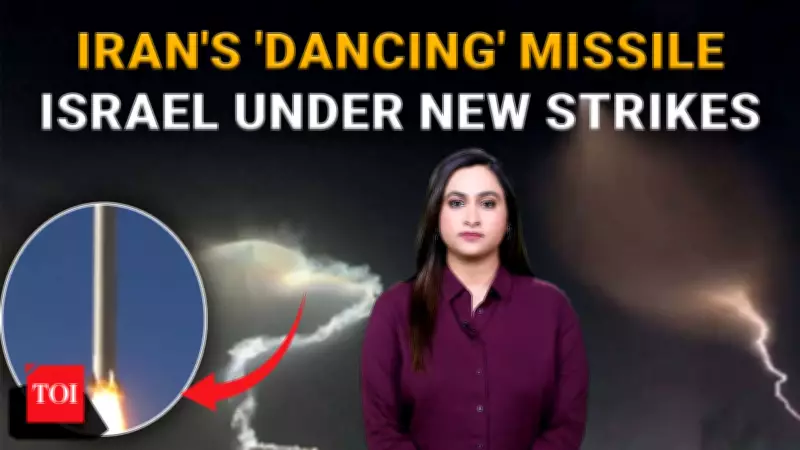
In a significant escalation of hostilities, Iran's Islamic Revolutionary Guard Corps has initiated a new wave of missile strikes targeting Israeli locations as part of Operation True Promise 4. This marks the first deployment of the advanced Sejjil-2 ballistic missile since the conflict involving Iran, Israel, and the United States began, raising serious concerns about regional security and stability.
Details of the Sejjil-2 Missile Deployment
The Sejjil-2 is a sophisticated solid-fuel ballistic missile with a striking range of up to 2,000 kilometres, capable of reaching deep into Israeli territory. Its use in this operation underscores Iran's enhanced military capabilities and signals a more aggressive stance in the ongoing war. The missile's solid-fuel technology allows for quicker launch times and greater mobility compared to liquid-fuel systems, making it a formidable asset in Iran's arsenal.
Implications for Regional Security
This development highlights a major intensification in the conflict, with potential repercussions across the Middle East. The deployment of such advanced weaponry could prompt heightened defensive measures from Israel and its allies, including the United States, and may lead to further retaliatory actions. Analysts warn that this move could destabilize the region, increasing the risk of broader military engagements and impacting global oil markets and diplomatic relations.

Context of Operation True Promise 4
Operation True Promise 4 is part of Iran's broader military strategy in response to perceived threats from Israel and the U.S. The use of the Sejjil-2 missile represents a shift towards more direct and long-range strikes, as opposed to previous engagements that relied on proxies or shorter-range systems. This operation follows a series of escalating incidents, including drone attacks and rocket barrages, and reflects Iran's willingness to leverage its advanced missile technology in the conflict.
Global Reactions and Future Outlook
International observers are closely monitoring the situation, with many expressing alarm over the potential for further escalation. The United Nations and other global bodies may call for emergency sessions to address the crisis, while regional powers could reassess their security postures. As tensions mount, the focus will be on diplomatic efforts to de-escalate, though the use of advanced missiles like the Sejjil-2 complicates these efforts and underscores the volatile nature of the current geopolitical landscape.