

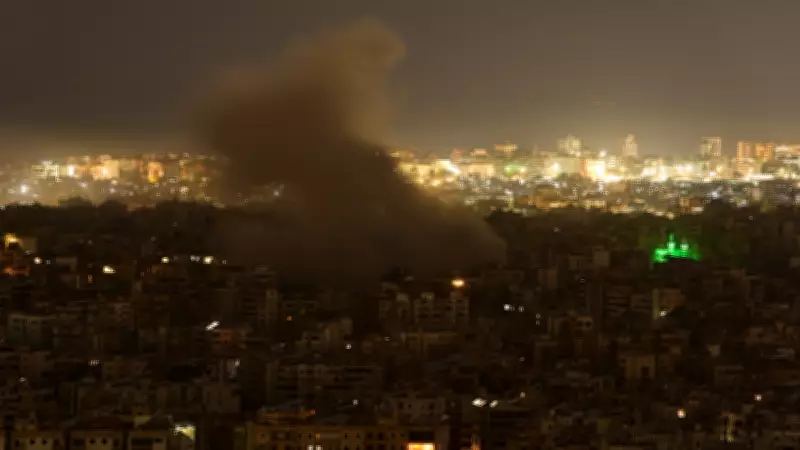
Iran-Israel Tensions Escalate Amid US Involvement in Middle East Conflict
The Middle East is witnessing a significant escalation in tensions between Iran and Israel, with the United States playing a pivotal role in the unfolding conflict. This situation has raised alarms over regional stability and global security, particularly concerning critical oil supplies through the Strait of Hormuz.
Background of the Conflict
The roots of this conflict trace back to longstanding geopolitical rivalries in West Asia. Iran and Israel have been engaged in a proxy war for years, with recent developments bringing their hostilities to the forefront. The involvement of the US, under the administration of former President Donald Trump and continued under current policies, has added a complex layer to the dynamics.
Key regional players such as the United Arab Emirates (UAE), Dubai, Bahrain, and Kuwait are closely monitoring the situation, as any escalation could directly impact their economies and security. The Strait of Hormuz, a vital chokepoint for global oil and liquefied petroleum gas (LPG) shipments, is at risk of disruption, which could have far-reaching consequences for energy markets worldwide.

Recent Developments and Live Updates
Recent reports indicate increased military posturing by both Iran and Israel, with threats of attacks and counterattacks looming large. The US has reaffirmed its support for Israel, led by Prime Minister Benjamin Netanyahu, while also engaging in diplomatic efforts to de-escalate tensions. However, the volatile nature of the region makes any resolution uncertain.
Live updates from the conflict zone suggest that skirmishes and cyber-attacks have already occurred, targeting infrastructure and military assets. The international community, including the United Nations, has called for restraint, but the situation remains fluid and unpredictable.
Impact on Global Economy and Security
The escalation in the Middle East conflict poses significant risks to the global economy. Disruptions in oil supplies through the Strait of Hormuz could lead to spikes in oil prices, affecting industries and consumers globally. Additionally, the conflict threatens to destabilize the entire region, potentially drawing in other nations and exacerbating existing conflicts.
From a security perspective, the involvement of major powers like the US increases the likelihood of a broader confrontation. The use of advanced military technology and cyber warfare adds a modern dimension to the conflict, making it more complex and dangerous.
Regional and International Responses
Countries in the Gulf region, including the UAE, Bahrain, and Kuwait, have expressed concerns over the escalating tensions. They are taking measures to safeguard their interests, including enhancing security around oil facilities and diplomatic channels. Meanwhile, international actors are urging for peaceful dialogue to prevent a full-scale war.
The role of former US President Donald Trump and current Israeli leader Benjamin Netanyahu is under scrutiny, as their policies have significantly influenced the current state of affairs. Analysts suggest that a coordinated international effort is needed to mediate and find a sustainable solution.
Conclusion
In summary, the Iran-Israel conflict, with US involvement, represents a critical flashpoint in the Middle East. The stakes are high, with implications for regional stability, global energy supplies, and international security. As live updates continue to emerge, the world watches closely, hoping for de-escalation and a return to diplomacy to avert a larger crisis.






