

Iran and Oman Collaborate on Draft Proposal for Strait of Hormuz Monitoring
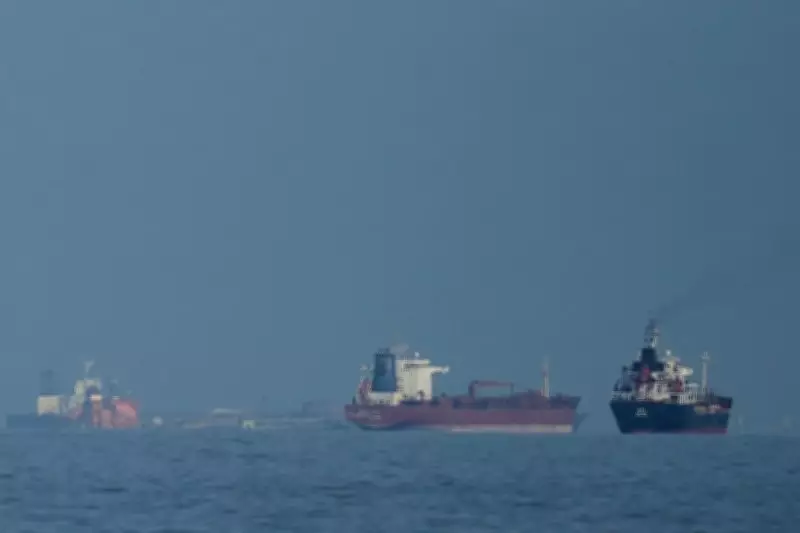
In a significant development amid ongoing regional tensions, Iran has announced that it is drafting a proposal in collaboration with Oman to monitor the Strait of Hormuz. This strategic waterway, located between the Persian Gulf and the Gulf of Oman, is one of the world's most critical maritime chokepoints for global oil shipments. The move comes as Iran seeks to assert its influence in the region and address security concerns related to the strait, which sees the transit of approximately 20% of the world's oil supply.
Details of the Proposed Monitoring Initiative
The proposal, as claimed by Iranian officials, aims to establish a joint monitoring mechanism with Oman to oversee activities in the Strait of Hormuz. This initiative is part of broader efforts to enhance maritime security and prevent potential disruptions to oil flow, which could have severe implications for the global economy. Iran has historically emphasized the importance of the strait for its own economic and strategic interests, and this proposal underscores its commitment to maintaining stability in the area.
Key aspects of the draft proposal include:

- Joint patrols and surveillance operations by Iranian and Omani naval forces.
- Implementation of advanced monitoring technologies to track vessel movements.
- Coordination with international stakeholders to ensure compliance with maritime laws.
- Measures to prevent unauthorized activities, such as smuggling or military provocations.
Regional and Global Implications
The announcement comes against the backdrop of heightened tensions in the Middle East, particularly involving Iran and Israel. The Strait of Hormuz has been a flashpoint in the past, with incidents of tanker seizures and military confrontations threatening to escalate into broader conflicts. By proposing this monitoring plan with Oman, Iran may be attempting to position itself as a responsible actor in regional security, potentially easing international concerns over its intentions.
However, this move could also be seen as a strategic maneuver to counter perceived threats from other nations, including Israel and its allies. The global community, especially oil-importing countries, will be closely watching the development of this proposal, as any instability in the strait could lead to spikes in oil prices and economic disruptions.
Oman's Role and Diplomatic Considerations
Oman, known for its neutral stance and diplomatic mediation in regional conflicts, plays a crucial role in this initiative. The sultanate has historically acted as a bridge between Iran and other Gulf states, and its involvement in the monitoring proposal could lend credibility to the effort. This collaboration may also reflect Oman's broader strategy to promote peace and stability in the region, leveraging its good relations with various international actors.
The drafting of this proposal highlights the ongoing diplomatic efforts to manage tensions in the Middle East, even as conflicts persist. It remains to be seen how other regional powers and global stakeholders will respond to this initiative, and whether it will lead to tangible improvements in maritime security.






