

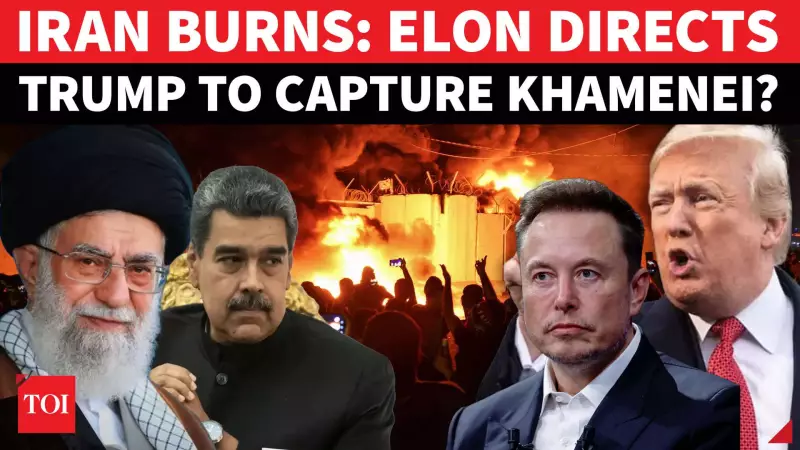
Iran is engulfed in a fresh wave of intense protests and violent crackdowns, marking one of its most volatile periods in recent years. The unrest, which has spread from Tehran to Shiraz, Mashhad, and Malekshahi, has resulted in significant casualties and drawn a sharp, public rebuke from global tech titan Elon Musk directed at the country's Supreme Leader.
Khamenei's Crackdown and Musk's Defiant Retort
As demonstrations ripped across the nation, Iran's Supreme Leader Ayatollah Ali Khamenei issued a hardline warning, branding the demonstrators as "rioters" and ordering security forces to crush the dissent. In a statement vowing that Iran would "not give in to the enemy," Khamenei sought to frame the protests as foreign-instigated unrest.
The response, however, echoed far beyond Iran's borders. Elon Musk, the billionaire CEO of SpaceX and Tesla, fired back publicly on social media with a succinct, taunting reply: "In your dreams." This online clash between one of the world's most powerful tech figures and Iran's top cleric has amplified global attention on the crisis, highlighting the role of digital platforms in modern geopolitical confrontations.

Bloodshed on the Ground: Deaths, Detentions, and Strikes
While the war of words played out online, the situation on Iranian streets turned increasingly grim. Protesters targeted symbols of the regime, setting them ablaze, and engaged in fierce clashes with state security forces. Reports confirm that authorities responded with live fire, leading to a rising death toll.
According to human rights groups monitoring the situation, at least 16 people have been killed in the violence. Furthermore, hundreds have been detained, and local hospitals are reported to be overwhelmed with casualties. In a significant escalation, Kurdish groups within Iran have now called for nationwide strikes, threatening to paralyze economic activity and intensify pressure on the government.
Global Pressure Mounts in the Shadow of Maduro's Capture
The internal crisis in Iran is unfolding under a spotlight of intense international scrutiny and pressure. The European Union has urged restraint, calling for a peaceful resolution. However, more forceful warnings are emanating from the United States.
The recent capture of Venezuelan President Nicolás Maduro by U.S. forces has sent shockwaves through regimes opposed to Washington. This action has emboldened calls from former U.S. President Donald Trump and several American lawmakers for a similarly tough stance against Tehran. The implied threat of external intervention looms over the current protests, creating a perilous dynamic for the Iranian leadership.
The convergence of internal revolt, social media defiance, and heightened global pressure has placed Iran at a critical juncture. The world is closely watching to see if the regime's crackdown will quell the dissent or if the protests will mark a turning point in the nation's history.






