

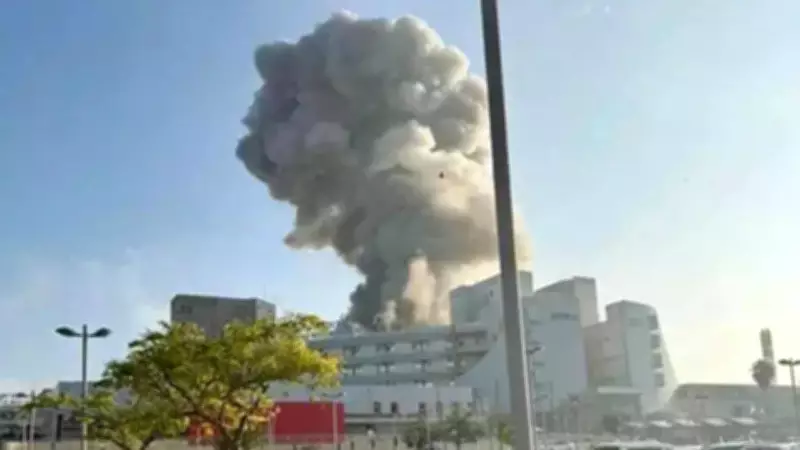
Iran Announces Updated Death Toll in Conflict with Israel and United States
Iran has released a new official death toll for its ongoing conflict with Israel and the United States, with the country's forensic chief reporting that at least 3,375 people have been killed. The announcement was made by Abbas Masjedi, the head of Iran's Legal Medicine Organization, on Monday, providing a stark update on the human cost of the hostilities.
Detailed Breakdown of Casualty Figures
According to statements quoted by the judiciary's Mizan news agency, Masjedi disclosed that only four of the deceased remain unidentified, indicating a high level of documentation in the aftermath of the conflict. The figures presented a gender-based breakdown, revealing that 2,875 of the victims were male and 496 were female. Notably, Masjedi highlighted that 383 of the dead were children aged 18 years and under, underscoring the tragic impact on younger populations.
However, the announcement did not provide a clear distinction between civilian and security force casualties, leaving a significant gap in the understanding of who exactly has been affected. This omission has raised immediate questions among analysts and observers about whether the toll includes members of Iran's security forces, which could influence interpretations of the conflict's dynamics and scale.

Questions and Implications of the Death Toll
The release of these figures by Iran's forensic authority marks a rare public disclosure in a conflict that has often been shrouded in secrecy and conflicting reports. By offering a specific number, Iran may be aiming to shape international perceptions or highlight the severity of the situation. Yet, the lack of a breakdown between civilians and combatants complicates efforts to assess the humanitarian impact and compliance with international laws of war.
Experts suggest that the inclusion of security force members in the death toll could indicate higher military losses than previously acknowledged, potentially signaling a more intense engagement than what has been publicly reported. Alternatively, if the figures are predominantly civilian, it could point to significant collateral damage and civilian suffering, calling for greater scrutiny from global human rights organizations.
As the conflict continues, this updated death toll serves as a grim reminder of the escalating violence and its devastating consequences. The international community is likely to press for more transparency and detailed information to better understand the full scope of the casualties and ensure accountability for all parties involved.






