

U.S. President Donald Trump is reportedly preparing for a prolonged blockade of one of the world's most critical maritime chokepoints, the Strait of Hormuz. According to a Wall Street Journal report, Trump instructed aides on Monday to prepare for an extended naval blockade aimed at squeezing Iran's economy by cutting off maritime trade to and from its ports. This move could reshape not only the ongoing conflict but also the global economy.
Trump Declares Victory, Iran Rejects
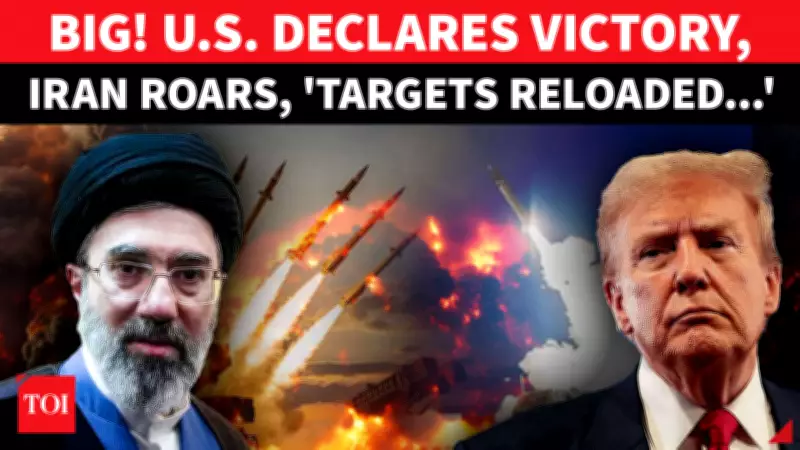
Speaking during a state dinner at the White House attended by King Charles III and other dignitaries, Trump claimed on Tuesday that the United States has 'militarily defeated' Iran. However, Iran's army spokesman responded firmly, stating that Tehran does not consider the war with the United States and Israel to be over. The spokesman confirmed that new targets have been identified, signaling continued hostilities.
Intelligence Assessment and Strategic Implications
Behind the scenes, U.S. intelligence agencies are assessing a critical question: What happens if Trump declares victory and steps back? The potential for a unilateral withdrawal from the conflict raises concerns about regional stability and the future of U.S.-Iran relations. Meanwhile, the planned blockade of the Strait of Hormuz, through which about 20% of the world's oil passes, could have severe economic repercussions globally, driving up energy prices and disrupting supply chains.

Iran's military has indicated that it is prepared for a prolonged confrontation, with the Islamic Revolutionary Guard Corps (IRGC) reportedly recovering an intact U.S. GBU-57 bunker buster for reverse engineering. This development underscores the high-stakes nature of the conflict and the technological dimensions of the standoff.
Regional Reactions and Broader Context
The Houthi movement in Yemen has also drawn a red line, warning against any blockade of the Strait of Hormuz and expressing solidarity with Iran, Palestine, and Lebanon. Meanwhile, tensions remain high across the Middle East, with Hezbollah drone attacks in South Lebanon and ongoing Israeli military operations. The situation continues to evolve, with world leaders closely monitoring the potential for a wider regional war.






