Iran's Massive Retaliation Rocks Israel, US Issues Critical Ultimatum
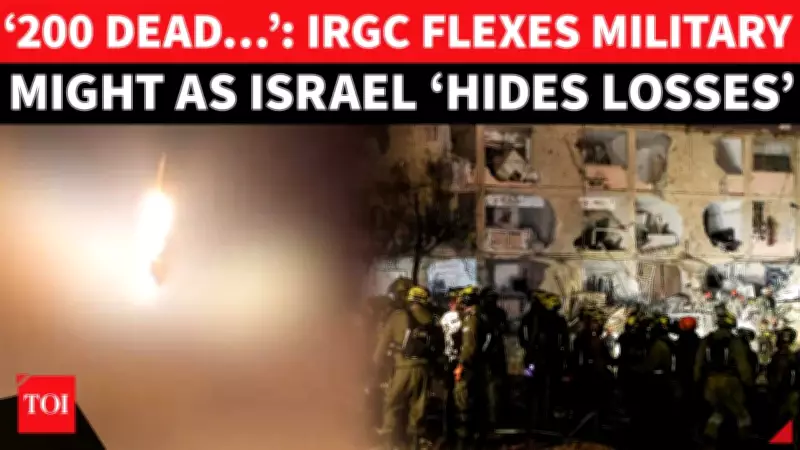
The Islamic Revolutionary Guard Corps (IRGC) of Iran has executed a significant retaliatory operation against Israel, launching a coordinated wave of missile and drone strikes that reportedly breached Israeli air defenses. The attacks targeted key urban centers and sensitive locations, with the city of Dimona—a site associated with Israel's nuclear program—reportedly sustaining direct hits. Iranian state media claims the assault has resulted in hundreds of Israeli casualties, though official confirmation from Israeli authorities remains pending amid allegations of information suppression.
Strategic Targets and Regional Escalation
According to IRGC statements, the operation, dubbed "Operation True Promise," successfully struck multiple strategic assets within Israel, including military installations and infrastructure in cities like Arad. The Iranian military praised the involvement of Hezbollah, its Lebanese ally, in supporting the offensive, while issuing stern warnings about potential further escalation if Israel continues its military actions. This development marks a dangerous intensification of the long-standing shadow war between the two nations, now spilling into open confrontation.
Simultaneously, the United States has intervened with a high-stakes diplomatic move, delivering a 48-hour ultimatum concerning the Strait of Hormuz. American officials have demanded guarantees for the safe passage of international shipping through this critical maritime chokepoint, which handles approximately one-fifth of the world's oil shipments. Failure to comply, the US warned, could trigger direct military involvement, raising the specter of a broader regional conflict that could draw in multiple global powers.

Implications for Middle East Stability
The confluence of Iran's aggressive strikes and the US's firm ultimatum has plunged the Middle East into one of its most precarious crises in recent years. Analysts highlight several critical implications:
- Nuclear Dimension: The targeting of Dimona introduces a nuclear facet to the conflict, potentially altering strategic calculations and international responses.
- Alliance Dynamics: Hezbollah's active role signals a consolidation of the Iran-led "Axis of Resistance," challenging US and Israeli influence in the region.
- Economic Fallout: Threats to the Strait of Hormuz jeopardize global energy supplies, likely triggering volatility in oil markets and economic repercussions worldwide.
- Information Warfare: Conflicting reports and alleged censorship by Israeli authorities underscore the role of misinformation in shaping public perception and diplomatic narratives.
As tensions approach a dangerous tipping point, the international community watches anxiously, with calls for de-escalation growing amid fears that a single miscalculation could ignite a full-scale war. The next 48 hours are deemed critical, with the US ultimatum setting a definitive timeline for either resolution or further military escalation.