Iran Launches Major Escalation With Missile Strike on Israeli Nuclear Town
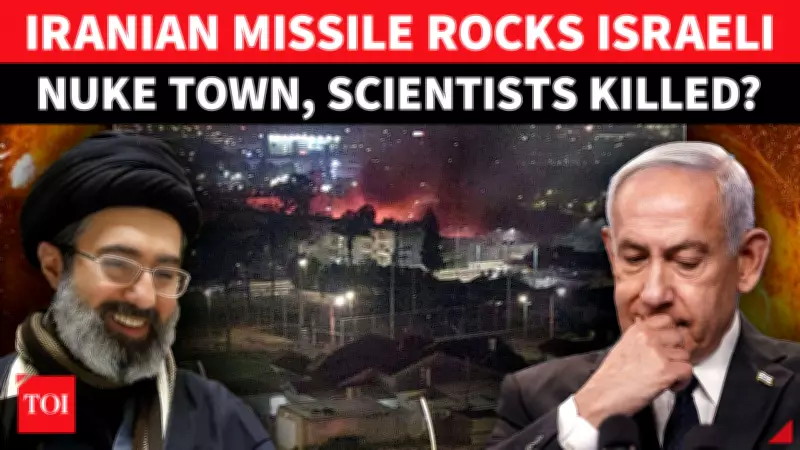
In a dramatic escalation of hostilities, Iran has reportedly launched a targeted missile strike on the Israeli nuclear town of Dimona, with initial reports indicating a direct hit on a bomb shelter. The attack, which occurred in the early hours of March 22, 2026, has raised grave concerns about potential casualties among nuclear scientists and represents a significant intensification of the ongoing conflict between the two nations.
Cluster Munition Missile Targets Tel Aviv Region
According to verified reports, the assault began with Iran firing a cluster munition missile aimed at the densely populated Tel Aviv region. This marked a severe escalation in the conflict, as multiple impact sites were confirmed in the city of Rishon LeZion. Emergency services reported substantial damage to buildings and critical infrastructure, with rescue teams mobilizing rapidly amid fears of structural collapse and individuals trapped under debris.
An empty daycare center was among the structures hit, starkly highlighting the indiscriminate nature of the attack and the severe risks posed to civilian populations. Additional strikes were reported in nearby areas, with social media videos capturing projectiles illuminating the night sky, underscoring the rapid and widespread nature of the offensive.

Direct Strike on Dimona Nuclear Facility
The situation took an even more alarming turn with reports confirming that Iranian missiles reached the "heart of Israel's secret nuclear programme" in Dimona. This town is home to Israel's primary nuclear research center, and the attack specifically targeted a bomb shelter, raising immediate questions about the safety and potential fatalities of nuclear scientists who may have been present.
While official casualty figures are still being assessed, the strike on Dimona represents a strategic and symbolic blow, directly challenging Israel's most sensitive security installations. The attack follows a series of escalating threats and actions in the region, including recent declarations from Iranian leadership vowing retaliation for perceived aggressions.
Broader Regional and International Context
This latest development occurs against a backdrop of heightened tensions and complex international diplomacy. Recent statements from global powers have further complicated the landscape:
- Russian President Vladimir Putin affirmed "Russia's loyalty as a friend of Iran", signaling continued support amidst the conflict.
- Former U.S. President Donald Trump has been involved in covert diplomatic efforts, including a "secret mission" aimed at securing Iran's nuclear stockpile to prevent further escalation.
- International pressure has reportedly forced the U.S. to lift certain oil sanctions on Iran, described by some analysts as a "huge victory" for Tehran, potentially altering the economic dynamics of the conflict.
Additionally, Trump has publicly urged China to intervene in resolving the Hormuz crisis, despite receiving no formal response, highlighting the challenges of multilateral diplomacy in the region. The U.S. has also faced domestic security concerns, with a military facility in Washington D.C. placed under lockdown after a drone was spotted overhead, illustrating the widespread nature of the threat environment.
Immediate Aftermath and Ongoing Threats
As rescue operations continue in the affected areas, the situation remains fluid and highly volatile. Iranian officials have issued direct threats against both Israel and the U.S., with one prominent figure stating, "Will avenge every drop of blood" in response to previous incidents. There are also unconfirmed reports suggesting Iran may be preparing to strike NATO territory, prompting the U.S.-led alliance to heighten its defensive posture.

Saudi Arabia has entered the diplomatic fray, publicly criticizing Iran's actions with a pointed question: "What has Iran done for Islamic causes?" This reflects the broader regional divisions and the complex web of alliances influencing the conflict. The attack on Dimona, in particular, has transformed the confrontation, moving it beyond conventional military targets to include critical nuclear infrastructure, with potentially far-reaching implications for regional stability and global security.